
When exploring options in the HVAC industry, the mini-split system stands out as a popular and flexible choice for both residential and commercial spaces. Unlike central air conditioning systems that rely heavily on ductwork and furnaces for temperature regulation, a mini-split air conditioner operates without them, making it an energy-efficient and budget-friendly solution.
With technology evolving, mini-splits are gaining popularity due to their efficiency, cost-effectiveness, and minimal noise production. Available in two varieties—ducted and ductless—these systems offer significant benefits.
Whether expanding an existing HVAC system or setting up a new one, the straightforward system expansion of a mini-split can easily suit the requirements of different homes and buildings. For those who need a system that’s easy to install and adapt to various styles, mini-splits offer careful consideration with comprehensive benefits.
can mini split use existing ductwork
If you’ve got an HVAC system in your home with ductwork already in place, you might wonder if it’s possible to add a mini split system. The good news is that mini split systems can indeed work with your existing ductwork, making it an efficient option for distributing cool or warm air to specific rooms or regions.While ductless heating and cooling systems have their own set of benefits, especially for homes built more recently, using a mini split with ductwork offers a simple installation process and can be the best choice if your ductwork is still functional. This addition not only makes your home more comfortable but also improves energy efficiency.
Whether your house was built in the seventies or later, this system provides a central and efficient method for distributing heated or conditioned air. When considering a new AC unit or heat pump, sticking with this setup could be your best bet.
Mini Split Installation Feasibility
When considering installing a mini split system in a house with existing HVAC and ductwork, there are several critical factors to ponder. First, it’s essential to check your home’s current electrical capacity to ensure it can meet the extra demand for juice required by the mini split.
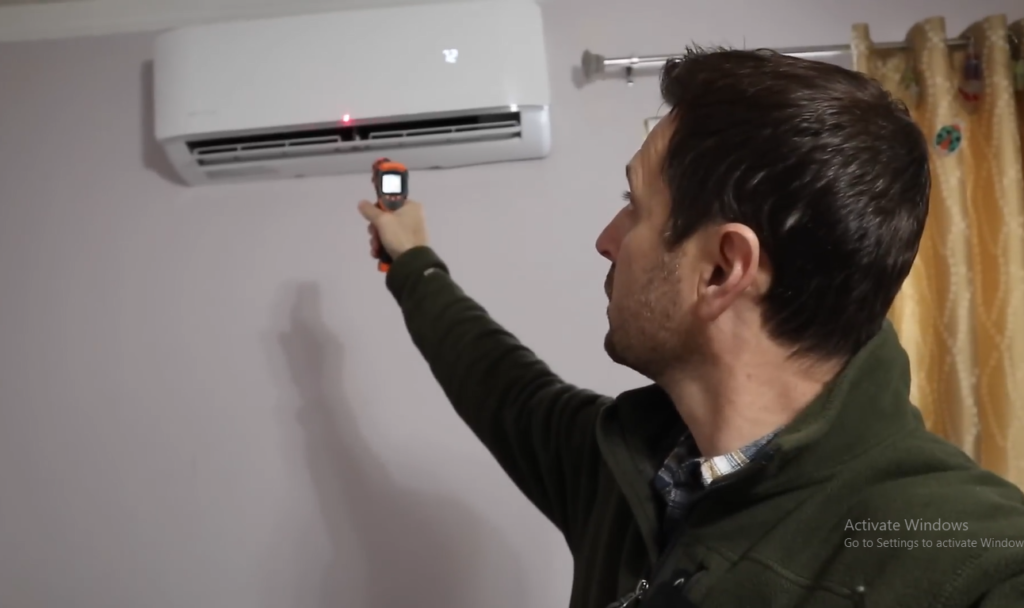
An installer can assess this and might need to install extra wiring and a new circuit breaker to handle the increased load. Additionally, space is a crucial issue—if your room can’t accommodate ducted mini splits, you won’t be able to add these units.
The installer should carefully measure your home inside and outside to determine if the property can accommodate the necessary indoor and outdoor equipment. For those who prefer a DIY approach, make sure you have a tape measure handy to see if you can tackle this project yourself.
What Are Ducted vs. Ductless Mini-Split Systems?
Many homeowners wonder if these popular options can integrate with their existing ductwork. Mini-split systems come in two main types: ducted and ductless.
The ducted variety can indeed be connected to your home’s existing ductwork, making it an excellent choice if you’re looking to maintain the traditional layout while enjoying the efficiency and cost-effectiveness of a Mini-split.
These systems are known for their minimal noise production and can be installed in areas like the garage or attic, with indoor units discreetly mounted on walls or ceilings. The ducted version circulates air through the existing ducts, making it a seamless addition to homes with established ductwork.
On the other hand, ductless systems involve separate components like an outdoor compressor and indoor unit, linked by a conduit containing power cables, refrigerant tubing, and drain lines. These systems offer flexibility, as they don’t require ductwork at all, making them ideal for multiple rooms without existing ducts.
Ductless systems also utilize advanced inverter technology that constantly adjusts the system’s capacity to meet the specific heating or cooling demands of each room, ensuring comfort and efficiency year-round. Whether you go ducted or ductless, both options offer unique benefits depending on your home’s specific requirements and layout.
Benefits of Ducted Systems?
Upgrading your home with a ducted system or installing a new one offers numerous key advantages.
1. Ideal for Homes with Existing Ductwork
When considering a ducted mini-split system, especially in homes with existing ductwork, the benefits become clear. If your home already has installed ductwork, particularly in colder climates, it’s often due to older units that may now need replacing.
In these cases, transitioning to a modern mini-split heat pump is a simple and efficient choice. The installation process is straightforward, requiring only minimal efforts to make the necessary connections. This not only lowers the time and labor involved but also reduces maintenance costs in the future.
2.Hidden Installation to Improve Aesthetic Appeal
By using a ducted mini split system, you can remove eyesores like bulky window units and create a more streamlined look in your home. The heating and cooling components are cleverly hidden within walls, floors, ceilings, attics, or crawl spaces, keeping them out of sight and mind.
This approach helps to declutter your living area, offering a hidden system that enhances the overall aesthetic appeal of your space. As a homeowner, I’ve found that this method not only improves comfort but also allows for a cleaner, more organized look without the distractions of visible units.
3.Highly Efficient with Minimized Energy Use
Unlike traditional HVAC setups, which can consume significant energy to heat or cool multiple rooms, a mini split with ducted connections can still deliver conditioned air effectively.
This system works by using an indoor air handler to distribute air evenly across large spaces or various rooms. By doing so, it maximizes efficiency, ensuring your houses stay comfortable with less energy usage, whether it’s during the heating or cooling seasons.
Drawbacks of Ducted Systems?
Ducted mini-split systems offer easy maintenance, discreet placement, and high efficiency. Nonetheless, it’s important to weigh the potential drawbacks of these air treatment units before making a purchase.
No Zoned Heating and Cooling
When you install and use a ducted system with central control, the temperature is set for the whole space at once, which means every room in your house receives the same degree of air.
While this might seem convenient, it often leads to discrepancies between upper and lower floors, causing some rooms to be too warm or too cold. This lack of zoned heating and cooling can make it challenging to achieve consistent comfort throughout your house.
Single-Structure Heating Capability
It’s crucial to understand that a ducted system is typically designed to serve a single structure. It cannot effectively connect multiple buildings, such as a pool house, guest house, or mother-in-law suite. Each building on your property would require its own separate heating and cooling system.

This is because traditional ducted systems are not versatile enough to adapt to different zones within your property. The need to install a separate heating and cooling solution for each area underlines the limitations of relying on a single system for multiple structures.
Accumulation of Dust, Debris, and Allergens
When considering whether a mini split can utilize existing ductwork, it’s crucial to think about how air runs through your home. The ductwork in your walls, floors, and ceilings acts as an ideal highway for treated air but can also become a place where debris, dust, pollen, and allergens get stuck.
These loose materials can coat your tubes and vents, impacting your breathing by circulating harmful particles for months, especially during hay fever season. To maintain air quality, it’s essential to purchase quality filters and clean them regularly. This helps prevent buildup and ensures your system remains efficient. Additionally, having your ductwork cleaned periodically will help flush out any harmful particles, keeping your system in top shape.
Advantages of Ductless Systems?
Before you commit to a ducted mini-split, take a moment to explore the alternative: a duct-free system! Discover the numerous benefits of choosing a ductless mini-split instead.
Requires Minimal Installation
In my experience, ductless systems are a game-changer when it comes to heating and cooling your home. They’re easy to install, saving you from the headache of dealing with traditional ductwork that runs through your walls, ceilings, or floors. Instead of miles of ducts, you have an outdoor compressor and an indoor component connected by a conduit.
This simple setup connects the essential parts without the hassle of extensive home repairs or replacements. The entire installation process is quicker and cheaper, giving you more time to enjoy the comfort of your home without the stress.
Ideal Without Existing Ductwork
When I was upgrading my heating system, I quickly realized that my older home didn’t have the right ductwork for a central system. That’s when I learned about ductless mini-split systems. These pumps are a great option for homes like mine, where installation of new constructions can be a hassle.
I was able to extend the comfort of my home without the need for complex retrofitting or dealing with additions and replacements to the existing heating setup. The mini-split worked well with the space I had, fitting in perfectly with my hydronic heaters, radiant panels, and other heating solutions. It was an ideal solution that provided the comfort I needed in every room.
Individualized Climate Control
When I decided to upgrade my home’s comfort, the ductless mini-split unit became the perfect solution for maintaining ideal temperatures in every room. I appreciated how it allowed different members of my family to set their own temperature preference in each area of the house.
At night, I could simply shut off the heating in the other rooms and just keep the bedroom warm with the heat pump. The cooling feature was also impressive, effectively keeping the upper levels of the home cooler than traditional ducted systems. The ability to compensate for rising hot air made a noticeable difference in overall comfort.
Disadvantages of Ductless Systems?
Despite many advantages there are few drawbacks
Purchasing Multiple Units
For a large home with separated spaces, using ductless systems means investing in multiple units. Each unit helps heat or cool specific spaces, which can significantly increase your initial investment. Balancing the number of units with your home’s needs is key to managing costs effectively.
Higher Running Expenses
Many wonder if ductless systems can use existing ductwork to cut costs. However, these systems are built to operate without ducts, so they don’t work with your ducted unit. While a ductless mini-split may seem appealing, keep in mind that installing one can cost significantly more and run on more electricity than traditional ducted systems.
Take Up Space
When considering whether a mini-split can use existing ductwork, it’s crucial to note how ductless units affect space. These systems are mounted on the ceiling, windows, or wall, which can impact your home’s aesthetic and may even become an eyesore.
The outdoor compressors also require space, which could be an issue in a small yard. Unlike traditional HVAC systems, ductless mini-splits offer a different setup, and these factors are key when deciding between ducted and ductless options.
Types of Mini-Split Air Conditioning Systems
When choosing mini-split ACs for your home, it’s essential to know they can’t directly use existing ductwork like traditional systems. These systems have unique components designed to be installed separately. The Indoor Air Handler includes the evaporator, blower, and parts that help distribute airflow.
Meanwhile, the Outdoor Unit houses the compressor and conductor that cool the air. The indoor unit is connected to the outdoor unit via a conduit that comprises a Refrigerant line, Power cable, and Drain line. Depending on the configuration, you can choose from single-zone or multi-zone types of systems.
Multi-Zone Mini-Split Systems
When clients have multiple areas or rooms that need heating and cooling, a multi-zone mini-split system might be the best solution, even if they wonder whether it can work with existing ductwork. This system features two or more indoor units connected to a single outdoor unit, and its efficiency often depends on the square footage and layout of the space.
The capacity of the units is crucial, as each zone can be temperature controlled independently. The number of units required will often depend on the number of zones and the specific areas needing coverage. A multi-zone mini-split system is often recommended for its ability to provide precise climate control in various spaces, tailored to each client’s unique needs.
Single-Zone Mini-Split Systems
When considering Single-Zone Mini-Split Systems for your home, it’s essential to understand their flexibility in controlling the temperature in various areas. These systems are particularly useful for small spaces like studio condos or a guest room where precise control over the temperature is crucial. The easy install process makes them a favorite for projects that require cooling solutions without the hassle of extensive ductwork.
Whether you’re looking to cool a main room or a critical area such as a master bedroom, Single-Zone Mini-Split Systems provide an effective solution. With applications ranging from adding a unit to a larger space like an attic, basement, or even a shed in the backyard, these systems offer the flexibility to meet diverse cooling needs, especially in homes with central AC.
How Do I Decide Between Ducted and Ductless Mini-Splits?
When deciding between a ducted or ductless mini-split system, it’s essential to consider key factors like the size and layout of your home. If your house has multiple stories, extensions, or additions with an odd design, a ductless system might be better for maintaining temperature control in separate areas. Think about the climate conditions in your area—will you need central heating and cooling all the time, or just in certain rooms?
Your budget is also crucial. Installing a ducted system from scratch can be costly, while ductless units offer flexibility. Weigh the advantages and drawbacks of each, explore your options, and determine what’s best for your space. If you have any questions, it’s a good idea to contact a local company like us. Our experienced professionals can assess your needs and guide you in the right direction.
Adding Single-Zone Mini-Splits to Existing Central AC Systems:
When considering adding a single-zone mini-split to your existing central AC system, it’s essential to focus on the specific area you want to improve. Whether in homes or commercial settings, mini-splits are incredibly beneficial for targeting hot spots or cold spots that your central AC system might struggle to handle.
For spaces like sunrooms with large windows causing temperature imbalances, a recently finished basement, or a new home addition, a mini-split can provide constant cooling and heating exactly where it’s needed, almost like having a personal thermostat in each room. The key is to ensure compatibility with your existing system, especially when adding extra capacity.
You must check the electrical capacity, wiring, and circuitry to ensure they can handle the added load. Keep in mind that smaller units (like 9k and 12k) use 115v, while larger sizes require 208/230 voltage. The installation process also requires careful planning of the physical space for both indoor and outdoor units. In older buildings now needing upgrades due to rising temperatures, this approach is more about enhancing comfort and control rather than completely replacing the central AC system.
Conclusion
In summary, mini-split systems offer a versatile and efficient solution for heating and cooling, whether you choose a ducted or ductless setup. Ducted mini-splits can integrate with existing ductwork, providing a seamless and cost-effective upgrade for homes with established HVAC systems.
On the other hand, ductless mini-splits are ideal for spaces without ducts, offering individualized climate control and easy installation. The choice between the two depends on your home’s layout, existing infrastructure, and specific comfort needs. Both options present significant benefits, making mini-splits a smart choice for various residential and commercial applications.
Contact ecobreezesolutions, for personalized mini-split recommendations. We look forward to hearing from you and starting your journey toward your perfect heating and cooling system!
FAQs
How many mini splits do I need for 2000 square feet?
For a 2,000 square-foot room, a 48,000 BTU mini split system can typically handle the space. However, if the room is over 2,000 square feet, you might need to go up to a 54,000 BTU unit. The 48,000 BTU can manage up to 50,000 BTUs, making it suitable for many large spaces.
Where should you not install a mini-split?
When setting up a mini split, it’s essential to avoid placing it in spaces where airflow might be obstructed by furniture or curtains, or behind objects. Areas with high levels of heat, like near a fireplace or electronics, should be avoided, as well as spots exposed to Direct sunlight or extremely cold areas. These factors can negatively impact the efficiency and lifespan of the unit.
Is it cheaper to install a mini-split or central air?
If your home is already equipped with ductwork, adding a unit for central systems can be cheaper than a full install. However, mini-splits avoid the expensive and complicated process of ductwork, making the overall cost lower. Whether mini-splits or central systems are better depends on your home’s existing setup.