
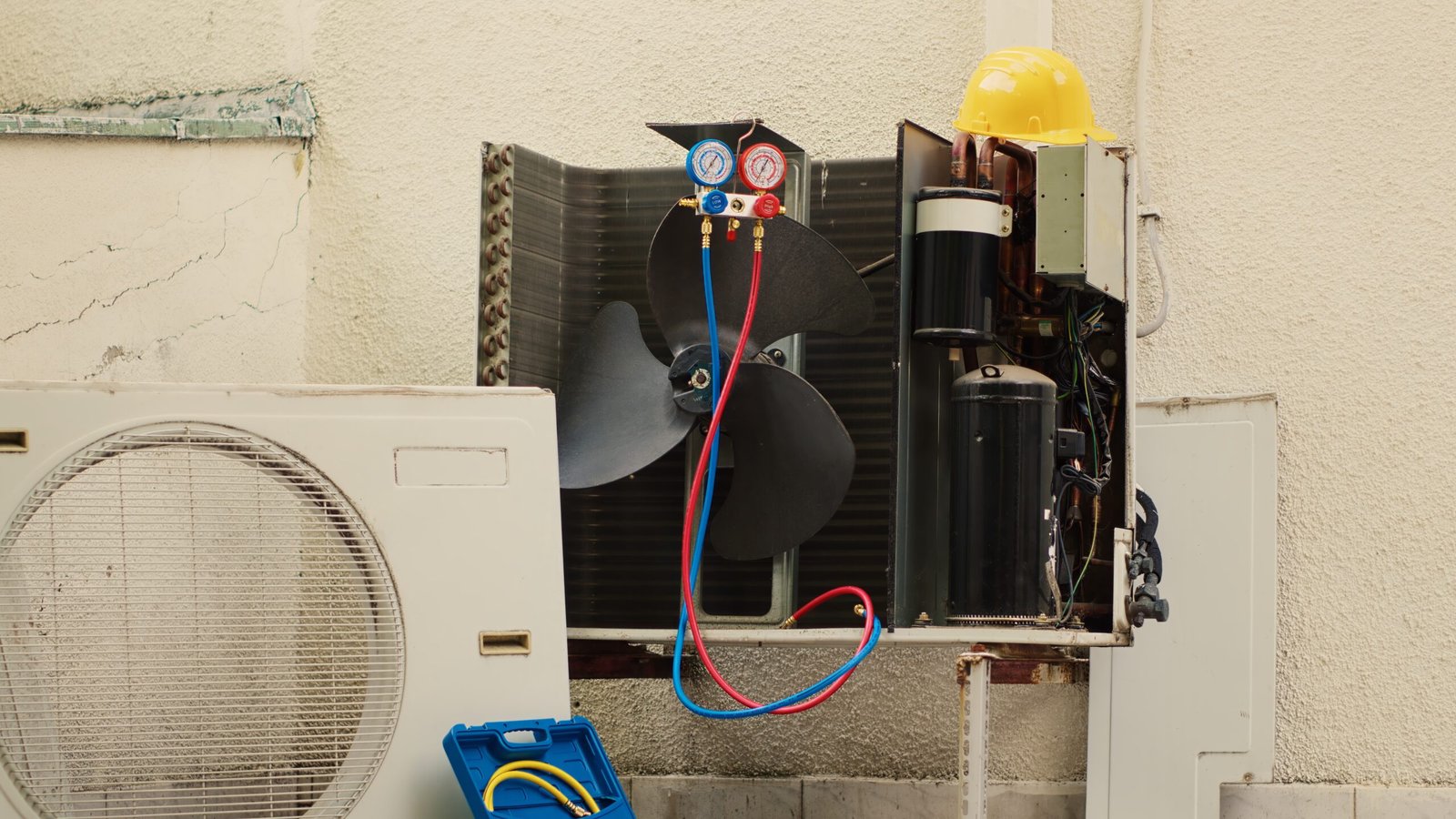
Maintaining stable indoor temperature in Arlington homes is difficult during seasonal extremes. Summer temperatures in North Texas often exceed 95°F, which places continuous load on air conditioning systems. Winter cold fronts also create short but intense heating demand. A reliable HVAC (Heating, Ventilation, and Air Conditioning) system helps maintain consistent temperature control, energy efficiency, and indoor air quality.
Professional Heating & Cooling Services Arlington TX focus on system reliability and efficient climate control. A properly maintained air conditioning system, heating system, and ventilation network can reduce energy consumption and improve indoor comfort. According to the U.S. Department of Energy, heating and cooling account for about 50% of energy use in a typical home. Regular system diagnostics, maintenance, and upgrades help maintain performance and extend equipment lifespan.
ecobreezesolutions: HVAC Contractor in Arlington, TX
ecobreezesolutions provides professional HVAC services for residential and commercial properties in Arlington. Our technicians work with air conditioning systems, furnaces, heat pumps, ductless systems, and indoor air quality equipment. Each service begins with system diagnostics and a clear explanation of available solutions.
We focus on system efficiency, stable airflow, and reliable temperature control. Our goal is to help property owners maintain HVAC systems that operate safely and efficiently throughout the year.
Our Service Coverage in the Dallas–Fort Worth Area
ecobreezesolutions provides HVAC services throughout the Dallas–Fort Worth region. Our technicians support homes and businesses across multiple communities in North Texas.
Service areas include Fort Worth, McKinney, Richardson, Plano, Cedar Hill, Frisco, Arlington, Cleburne, Grand Prairie, Rowlett, Rockwall, Allen, Irving, Garland, Carrollton, Forney, Mesquite, Denton, Burleson, and Southlake.
This regional coverage allows us to respond quickly to HVAC service requests, including emergency AC repair and heating system repair. Local experience also helps our technicians understand common climate and building conditions across the area.
Residential and Commercial HVAC Services
Heating and cooling systems vary depending on property size, insulation levels, and ventilation design. Residential systems typically include central air conditioning, furnaces, heat pumps, or ductless mini split systems. Commercial HVAC systems often require larger equipment and advanced airflow design.
ecobreezesolutions works with both residential HVAC and commercial HVAC equipment. Services include system installation, repair, maintenance, and system replacement when equipment reaches the end of its service life.
Proper system sizing is important. An oversized system cycles frequently, while an undersized system struggles to maintain temperature. Our technicians evaluate system capacity, airflow, and building layout before recommending equipment or repairs.
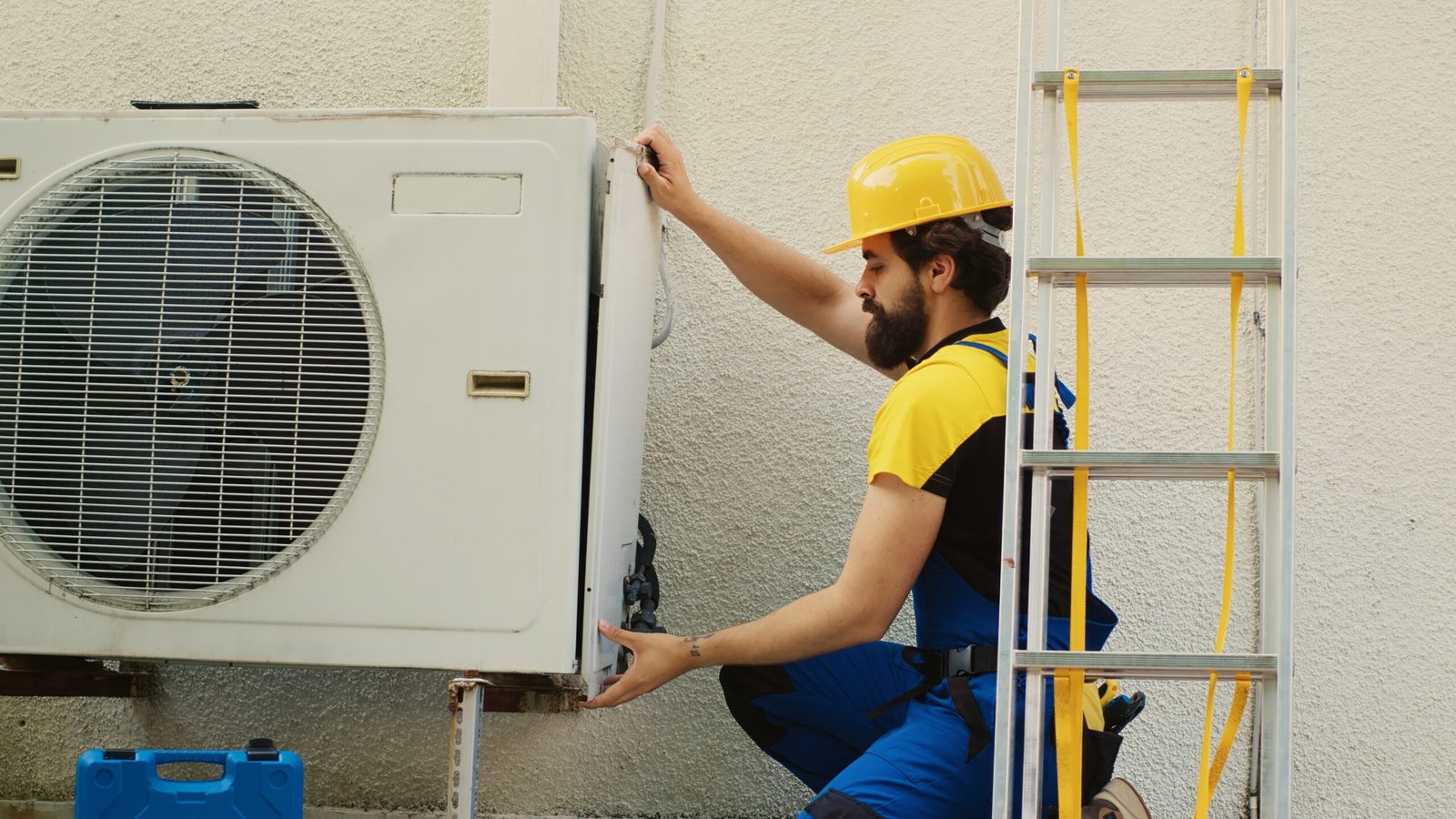
Understanding Climate Control Needs in North Texas
North Texas weather creates unique HVAC demands. Summers bring long periods of heat and humidity, while winter conditions can change quickly with seasonal cold fronts. HVAC systems must manage both cooling performance and heating efficiency.
High outdoor temperatures increase strain on compressors, refrigerant lines, and condenser coils. During colder months, heating systems such as furnaces or heat pumps must maintain consistent airflow and heat distribution.
Climate control also involves indoor air quality. Homes with limited ventilation can develop higher humidity, dust accumulation, and airborne particles. HVAC filtration systems, air purifiers, and humidity control equipment help maintain healthy indoor conditions.
Our Heating & Cooling Services in Arlington, TX
A modern HVAC system includes several components that work together to regulate indoor comfort. These systems typically include air conditioning units, heating equipment, ductwork, thermostats, and indoor air quality devices. Regular service ensures these components operate efficiently and maintain proper airflow.
ecobreezesolutions provides installation, repair, and maintenance services for each part of the HVAC system. The goal is to maintain stable temperature control, reduce energy consumption, and improve indoor air quality.
Air Conditioning Repair in Arlington, TX
Air conditioning systems operate under heavy demand during Arlington summers. Over time, components such as compressors, capacitors, and evaporator coils can wear out. These issues often lead to reduced cooling performance or system failure.
Professional AC repair addresses problems such as weak airflow, unusual noise, or warm air from vents. Technicians perform detailed system diagnostics to locate mechanical or electrical faults. This process may involve checking refrigerant levels, inspecting electrical connections, and testing system pressure.
Common air conditioning repair issues include:
- Refrigerant leaks that reduce cooling capacity
- Airflow issues caused by clogged air filters or duct restrictions
- Faulty capacitors or contactors
- Compressor malfunction
- Frozen evaporator coils
Emergency service may be necessary when a cooling system stops working during extreme heat. Emergency AC repair helps restore cooling quickly and prevent further equipment damage.
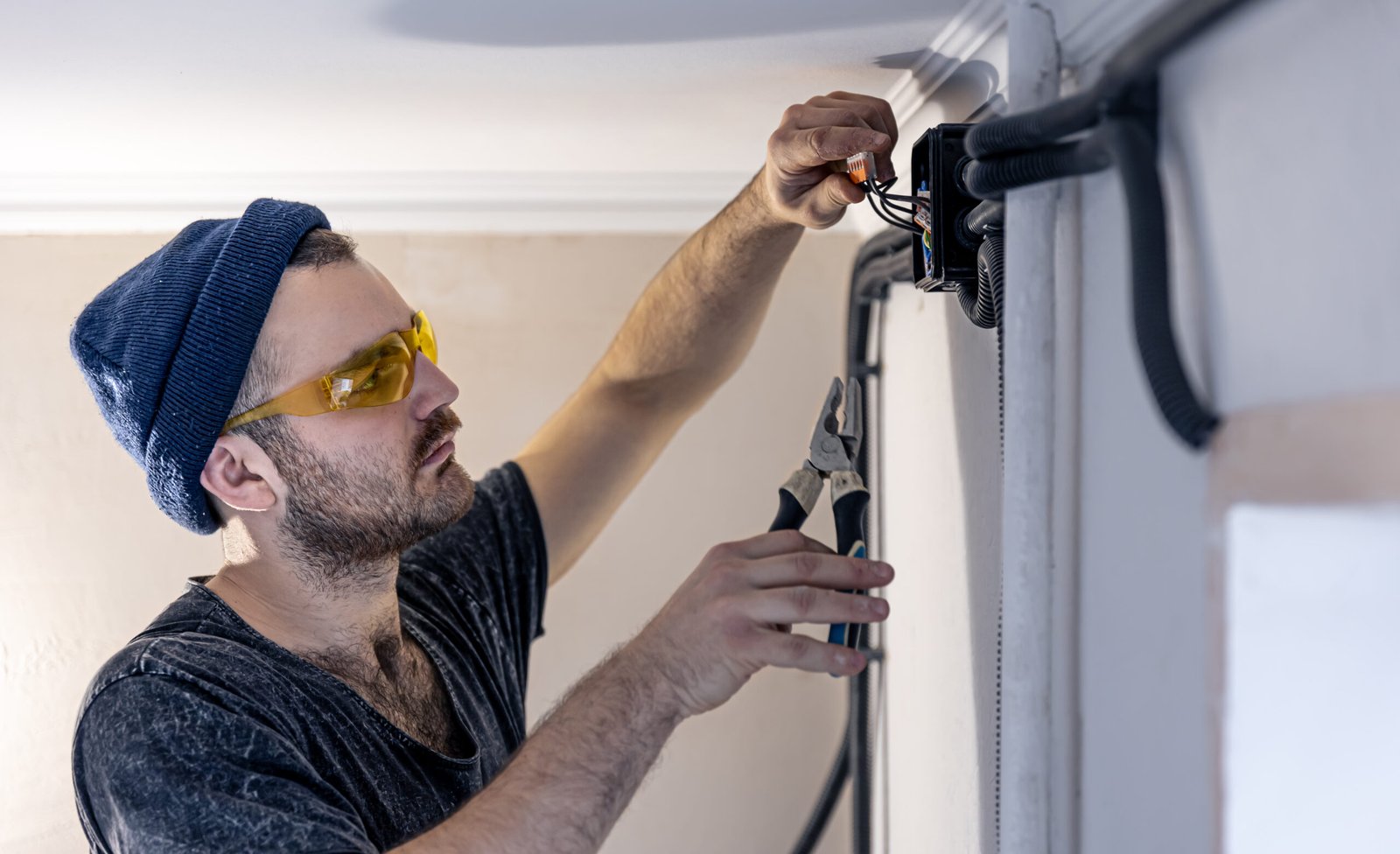
AC Installation and Replacement Services
When an air conditioning system becomes inefficient or unreliable, replacement may be the most practical solution. Most central AC systems have a typical lifespan of 10–15 years, depending on maintenance and usage.
AC installation begins with proper system sizing. Technicians evaluate the building size, insulation levels, window exposure, and airflow requirements. Correct sizing ensures the system maintains stable temperature without excessive energy use.
Installation services include:
- Central AC system installation
- Replacement of aging cooling systems
- Refrigerant line installation
- Thermostat integration
- Testing system performance after installation
Modern energy-efficient cooling systems can reduce energy consumption compared to older equipment. Variable-speed compressors and advanced airflow technology improve system performance and comfort.
AC Maintenance and Seasonal Tune-Ups
Regular AC maintenance helps maintain system efficiency and reduce the risk of unexpected breakdowns. Preventive service also improves airflow and cooling performance during peak summer months.
Routine AC maintenance typically includes:
- Full system diagnostics
- Coil cleaning to improve heat transfer
- Refrigerant inspection and pressure testing
- Electrical component inspection
- Air filter replacement
- Thermostat calibration
Industry data shows that regular maintenance can improve HVAC efficiency by up to 15%. Seasonal tune-ups also help identify worn components before they fail.
Furnace Repair and Heating Services in Arlington, TX
Although North Texas winters are shorter than summers, heating systems must operate reliably when temperatures drop. A malfunctioning furnace can reduce comfort and affect indoor safety.
Professional furnace repair addresses issues such as poor heat output, unusual system noise, or ignition failure. Technicians inspect the furnace burner assembly, heat exchanger, and airflow system to locate the problem.
Common heating repair services include:
- Gas furnace system diagnostics
- Blower motor repair
- Ignition system troubleshooting
- Heat pump services for heating support
Heating systems that operate efficiently distribute warm air evenly through the duct system while maintaining safe combustion conditions.
Furnace Maintenance and Heating System Tune-Ups
Routine furnace maintenance helps ensure reliable heating performance during colder months. Preventive service also improves heating efficiency and helps extend equipment lifespan.
Typical heating maintenance tasks include:
- Inspection of burners and ignition system
- Air filter replacement
- Blower motor lubrication
- Heat exchanger inspection
- Thermostat calibration
Regular heating system maintenance helps maintain airflow balance and reduces the risk of unexpected system failure.
Heat Pump Services
Heat pumps provide both cooling and heating using a single system. These systems transfer heat between indoor and outdoor environments using refrigerant and compressor technology.
Heat pump services include:
- Heat pump installation for residential and commercial properties
- Heat pump repair for refrigerant leaks, compressor issues, or airflow problems
- Heat pump maintenance to maintain energy efficiency and system reliability
Heat pumps are often used in regions with moderate winters because they provide efficient heating without combustion.
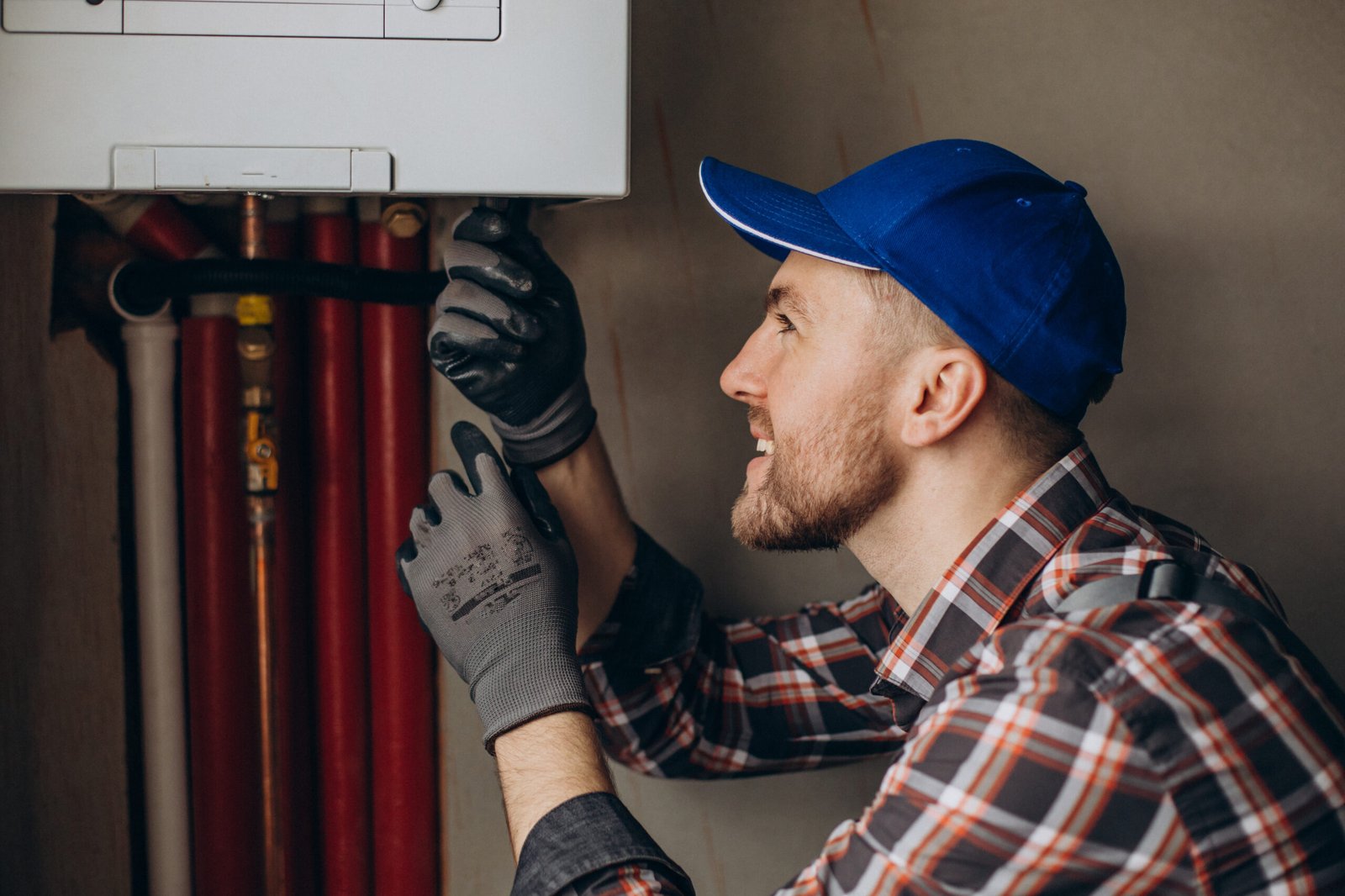
Ductless Mini Split System Installation and Repair
Ductless mini split systems provide cooling and heating without traditional ductwork. These systems are commonly used in homes with room additions, garages, or older structures without central ducts.
Mini split systems include an outdoor condenser unit and one or more indoor air handlers. Each indoor unit can control temperature in a specific room.
Services include:
- Ductless mini split installation
- Mini split AC repair
- System performance testing
- Refrigerant inspection
Ductless systems offer flexible installation and precise temperature control for individual zones.
Ductwork Installation, Repair, and Air Duct Cleaning
Ductwork distributes heated or cooled air throughout the building. Poorly sealed ducts or accumulated debris can reduce airflow and increase energy use.
Duct services include:
- Air duct installation for new HVAC systems
- Duct cleaning to remove dust and debris
- Duct sealing to reduce air leakage
- Airflow inspection and adjustment
Improving duct performance helps maintain consistent airflow and stable indoor temperatures across different rooms.
Indoor Air Quality Services (IAQ – Indoor Air Quality)
Indoor air quality plays an important role in overall comfort and health. Modern homes often have limited natural ventilation, which can lead to the buildup of airborne particles and humidity.
Indoor Air Quality (IAQ) services address these concerns through specialized equipment and testing.
Services may include:
- Air purification systems
- Air filtration upgrades
- Humidity control systems
- UV light installation for microbial reduction
- Air quality testing to measure pollutants and ventilation performance
These solutions help reduce airborne contaminants and maintain balanced humidity levels inside the home.
HVAC Service Process: What to Expect
Professional HVAC service follows a structured process to ensure system performance and safety. Each step focuses on identifying problems accurately and applying the appropriate repair or installation solution.
Step 1: In-Person HVAC System Inspection
The process begins with an on-site inspection. Technicians examine the HVAC equipment, thermostat settings, ductwork, and airflow conditions. This inspection helps identify visible wear, airflow restrictions, or equipment damage.
Step 2: System Diagnostics and Performance Testing
Advanced system diagnostics evaluate electrical components, refrigerant pressure, airflow performance, and system cycling patterns. These tests help determine whether the problem is mechanical, electrical, or airflow-related.
Step 3: Transparent Pricing and Service Recommendations
After diagnostics are complete, technicians explain the issue and recommend repair or replacement options. Clear pricing helps property owners understand service costs before work begins.
Step 4: HVAC Repair, Installation, or Maintenance Work
The required service is performed using appropriate HVAC tools and replacement parts. This may involve repairing electrical components, installing new equipment, cleaning coils, or replacing worn system parts.
Step 5: Final System Testing and Airflow Optimization
Once the service is complete, technicians test the HVAC system to confirm proper operation. Airflow levels, refrigerant pressure, and thermostat response are verified to ensure stable temperature control.
Step 6: Preventive Maintenance Plan Options
After service is complete, technicians may recommend preventive maintenance plans. Regular maintenance helps reduce unexpected system failures and supports long-term HVAC performance.
Arlington’s Trusted Heating and Cooling Company
Reliable heating and cooling systems are essential for homes and businesses in Arlington. HVAC equipment must operate consistently during long cooling seasons and occasional winter cold fronts. A trusted HVAC contractor focuses on accurate diagnostics, stable airflow, and safe system operation.
ecobreezesolutions provides Heating & Cooling Services Arlington TX with a focus on system reliability, energy efficiency, and indoor comfort. Each service visit begins with system inspection and ends with performance testing. This process helps maintain long-term HVAC system performance and supports stable temperature control throughout the year.
Local HVAC Experience in Arlington
Working in Arlington requires understanding local building conditions and climate patterns. Many homes use central air conditioning systems paired with gas furnaces or heat pumps. These systems must handle long cooling cycles during summer and short heating cycles during winter.
Local HVAC experience helps technicians identify common issues such as airflow restrictions, refrigerant pressure problems, or duct leakage. In many homes, poorly sealed ductwork can reduce HVAC efficiency and increase energy bills. Regular inspection and preventive maintenance help prevent these problems.
Technicians familiar with Arlington properties also understand the impact of attic insulation, ventilation design, and thermostat placement on HVAC system performance. Addressing these factors helps improve airflow balance and overall building comfort.
Customer Reviews and Service Reputation
Service reputation reflects consistent work quality and reliable customer support. Many homeowners research HVAC contractors before scheduling service. Online feedback often highlights response time, system repair accuracy, and technician professionalism.
Customer feedback for HVAC services is commonly shared through Google reviews and the Better Business Bureau (BBB – Better Business Bureau). These platforms allow property owners to evaluate contractor performance and service reliability.
Positive reviews often mention clear communication, proper diagnostics, and efficient repairs. Transparent service practices help customers understand their HVAC system condition and available service options.
HVAC Industry Certifications and Professional Standards
Heating and cooling systems involve electrical components, refrigerant handling, and combustion equipment. Because of this, HVAC work must follow specific industry standards. Certifications and training ensure technicians understand system operation, safety procedures, and environmental regulations.
Professional HVAC contractors follow recognized standards for equipment installation, refrigerant management, and system diagnostics. These practices help maintain safe and efficient HVAC operation.
EPA (Environmental Protection Agency) Certification
HVAC technicians who work with refrigerants must follow guidelines established by the EPA (Environmental Protection Agency). Refrigerants are essential for cooling systems but must be handled properly to prevent environmental damage.
EPA certification confirms that a technician understands safe refrigerant handling, recovery procedures, and leak detection methods. These standards apply to services such as AC repair, refrigerant recharge, and cooling system installation.
Proper refrigerant management helps maintain cooling efficiency while protecting environmental health.
Licensed HVAC Technicians
Professional HVAC service requires technical training and field experience. Licensed technicians understand how heating and cooling equipment operates under different load conditions.
Training typically covers:
- Electrical components and control systems
- Airflow measurement and duct performance
- Refrigeration cycle diagnostics
- Furnace combustion safety
- Heat pump operation
Licensed technicians can evaluate HVAC systems accurately and recommend solutions that improve system performance.
Safety and Refrigerant Handling Standards
Safety is essential when working with HVAC equipment. Heating systems involve combustion components, while air conditioning systems contain pressurized refrigerant.
Standard safety procedures include:
- Inspecting electrical connections before repairs
- Monitoring refrigerant pressure levels
- Testing ventilation and airflow conditions
- Verifying thermostat response and system cycling
Following safety standards helps protect both technicians and property owners while maintaining reliable HVAC operation.
Why Choose ecobreezesolutions for HVAC Services
Choosing an HVAC contractor involves more than scheduling a repair. Homeowners and property managers need reliable service, accurate diagnostics, and transparent communication.
ecobreezesolutions focuses on practical HVAC solutions that maintain system reliability and energy efficiency. Services are designed to address the root cause of HVAC problems while supporting long-term system performance.
Transparent Service Estimates
Clear pricing is important when planning HVAC repairs or system upgrades. After completing system diagnostics, technicians explain the condition of the equipment and the recommended service options.
Transparent estimates help property owners understand:
- The source of the HVAC issue
- Available repair or replacement solutions
- Estimated service costs
This process allows customers to make informed decisions about HVAC repairs or new system installation.
Emergency HVAC Repair Availability
Unexpected HVAC failures can occur during extreme weather. When cooling systems stop working during high temperatures, indoor comfort can decline quickly.
Emergency HVAC repair services help restore system operation when urgent issues occur. Emergency services may address:
- Sudden AC system shutdown
- Refrigerant leaks
- Electrical component failure
- Furnace ignition problems
Quick response helps reduce downtime and prevent additional equipment damage.
Energy-Efficient System Recommendations
Energy efficiency is a major concern for many homeowners. Heating and cooling systems can account for nearly half of household energy consumption, according to energy research from the U.S. Department of Energy.
Technicians evaluate HVAC equipment performance and may recommend upgrades when older systems become inefficient. Energy-efficient systems can include:
- High-efficiency air conditioning units
- Variable-speed compressors
- Smart thermostat integration
- Improved duct sealing and airflow design
These improvements can reduce energy consumption while maintaining stable indoor temperature.
Flexible Financing Options
HVAC system replacement or major repairs may require significant investment. Flexible financing options help homeowners manage installation costs while improving system efficiency.
ecobreezesolutions offers financing plans that may include 0% APR financing for qualified customers. Financing options help property owners install new HVAC systems without delaying essential upgrades.
What Customers Say About Our HVAC Services
Customer feedback provides useful insight into service quality and reliability. HVAC services often involve urgent repairs or major system upgrades. Reviews help new customers understand how contractors respond to these situations.
Residential AC Repair Reviews
Homeowners often request AC repair when cooling performance declines or airflow becomes weak. Residential reviews frequently mention technician response time, accurate diagnostics, and clear explanations of the repair process.
Many customers also note improvements in indoor comfort after system repairs or airflow adjustments.
Heating System Repair Feedback
Heating repair feedback often focuses on reliability during colder weather. Customers typically appreciate prompt service and proper furnace diagnostics.
Repair reviews may mention successful resolution of ignition issues, blower motor problems, or thermostat malfunctions. Reliable heating repair helps maintain comfortable indoor temperatures during winter.
Commercial HVAC Project Reviews
Commercial HVAC services often involve larger systems and more complex airflow requirements. Reviews from commercial clients may highlight system installation projects, maintenance agreements, or emergency repair support.
Reliable HVAC performance is important for offices, retail spaces, and other commercial buildings where temperature control affects daily operations.
Insured and Certified HVAC Contractor
Working with an insured HVAC contractor provides protection for both the service provider and the property owner. Insurance and certifications confirm that technicians follow industry standards and safety procedures.
Contractor Liability Coverage
Contractor liability coverage helps protect property owners during HVAC service work. This coverage ensures that repairs, installations, and maintenance services are performed responsibly.
Insurance protection also helps address unexpected situations that may occur during equipment installation or system repair.
Licensed HVAC Technicians
Licensed technicians have the training required to work with modern HVAC systems. They understand how to evaluate system performance, identify mechanical problems, and perform accurate repairs.
Proper licensing ensures technicians meet professional standards for HVAC service and installation.
Safety Compliance Standards
HVAC systems involve electrical equipment, combustion heating systems, and pressurized refrigerants. Safety compliance ensures technicians follow correct procedures during repairs and installations.
Standard safety checks may include inspecting gas connections, verifying ventilation airflow, and testing thermostat response.
HVAC Installation and Repair Gallery
HVAC project galleries help property owners see examples of system installations and repair work. Visual examples demonstrate how HVAC equipment is installed and integrated into residential or commercial buildings.
Air Conditioning Installation Projects
Air conditioning installation projects may include central AC systems, outdoor condenser units, refrigerant line installation, and thermostat integration. These projects highlight proper equipment placement and airflow design.
Correct installation improves cooling efficiency and system reliability.
Furnace Replacement Projects
Furnace replacement projects show the process of removing aging heating systems and installing modern equipment. New furnace systems often include improved energy efficiency and advanced airflow control.
Replacement projects also demonstrate proper connection to existing duct systems and thermostats.
Ductwork and Indoor Air Quality Installations
Ductwork installation and IAQ system upgrades improve indoor air circulation and filtration. Projects may include duct sealing, air purification equipment installation, or humidity control systems.
These improvements support healthier indoor air conditions and balanced airflow throughout the building.
HVAC Services in Arlington and Nearby Areas
ecobreezesolutions provides HVAC services across Arlington and surrounding communities. Regional coverage allows technicians to respond quickly to service calls and emergency repair requests.
Local knowledge of building construction and climate conditions helps improve HVAC system diagnostics and repair accuracy.
Dallas–Fort Worth Metro Service Locations
Service coverage includes Arlington and nearby communities across the Dallas–Fort Worth region. Areas served include Fort Worth, McKinney, Richardson, Plano, Cedar Hill, Frisco, Arlington, Cleburne, Grand Prairie, Rowlett, Rockwall, Allen, Irving, Garland, Carrollton, Forney, Mesquite, Denton, Burleson, and Southlake.
This coverage allows ecobreezesolutions to provide consistent HVAC support across the region.
Map of Our Arlington HVAC Service Area
A service area map helps customers understand technician coverage across Arlington and nearby cities. The map highlights response zones for HVAC repair, installation, and maintenance services.
Local service availability helps ensure faster scheduling and reliable HVAC support.
HVAC Challenges in Arlington’s Climate
Arlington weather conditions place continuous demand on heating and cooling systems. Understanding these challenges helps property owners maintain efficient HVAC performance.
High Summer Temperatures and AC System Load
Arlington summers often bring extended periods of high temperatures. Air conditioning systems must operate for long cycles to maintain indoor comfort.
Heavy cooling demand can increase wear on compressors, refrigerant lines, and condenser coils. Regular AC maintenance helps prevent breakdowns and maintain system efficiency during peak summer conditions.
Seasonal Heating Demand in North Texas
Although winters are shorter, heating systems still play an important role in indoor comfort. Sudden cold fronts can create rapid heating demand.
Furnaces and heat pumps must distribute warm air evenly while maintaining safe combustion conditions. Preventive heating maintenance helps ensure reliable winter performance.
Indoor Air Quality Concerns in Modern Homes
Modern homes often use improved insulation and sealed construction to increase energy efficiency. While this reduces energy loss, it can also limit natural ventilation.
Reduced airflow may allow dust, allergens, and humidity to accumulate indoors. HVAC filtration systems, air purifiers, and humidity control devices help maintain balanced indoor air quality.
Contact ecobreezesolutions for Heating & Cooling Services in Arlington
Scheduling HVAC service helps maintain reliable temperature control and efficient system operation. Whether a system requires repair, maintenance, or installation, professional service ensures equipment operates safely and efficiently.
Request a Personalized HVAC Service Quote
Property owners can request a personalized quote for HVAC services such as system installation, AC repair, furnace repair, or indoor air quality upgrades. Service estimates are based on equipment condition, building size, and system requirements.
Schedule an Inspection or Service Call
Scheduling an inspection allows technicians to evaluate the HVAC system and identify potential issues. Early diagnostics can prevent system failures and support consistent heating and cooling performance.
Educational HVAC Content for Arlington Homeowners
Understanding how HVAC systems operate helps homeowners make informed maintenance and upgrade decisions. Education about system performance, airflow, and energy efficiency supports long-term HVAC reliability.
How HVAC Systems Work in Residential Buildings
Residential HVAC systems regulate indoor temperature using a combination of cooling equipment, heating systems, and ventilation networks. Air conditioning systems remove heat from indoor air using the refrigeration cycle.
Heating systems such as furnaces or heat pumps add heat to the air and distribute it through ductwork. Thermostats control system operation by adjusting temperature settings.
Energy Efficiency and HVAC System Performance
Energy efficiency depends on several factors including system age, insulation levels, and airflow balance. Proper maintenance improves efficiency by keeping components clean and functioning correctly.
Energy-efficient HVAC systems also reduce electricity consumption while maintaining stable indoor temperature.
Smart Thermostats and Temperature Control
Smart thermostats improve HVAC system control by allowing automated temperature adjustments. Many systems include Wi-Fi thermostat technology, enabling remote temperature control through mobile devices.
Smart thermostats help optimize system runtime and improve energy efficiency.
Signs Your Air Conditioning System Needs Repair
Air conditioning systems often show warning signs before major failures occur. Common signs include:
- Weak airflow from vents
- Warm air from the cooling system
- Unusual noise during operation
- Increased energy bills
- Frequent system cycling
Early AC repair helps prevent further damage and restore cooling performance.
When to Replace an HVAC System
Most HVAC systems operate for 10–15 years, depending on maintenance and usage. Replacement may be necessary when repair costs increase or system efficiency declines.
New system installation can improve energy efficiency and provide more consistent temperature control.
Heating & Cooling Services FAQs
How often should HVAC systems be maintained?
HVAC systems should typically receive maintenance twice per year. Cooling systems are usually inspected before summer, and heating systems are serviced before winter. Regular maintenance helps maintain efficiency and prevent system failures.
What causes poor airflow in an air conditioning system?
Poor airflow can result from clogged air filters, blocked ductwork, or malfunctioning blower motors. Restricted airflow reduces cooling performance and increases system strain.
How long does an HVAC system typically last?
Most residential HVAC systems last 10 to 15 years. Proper maintenance and timely repairs can extend equipment lifespan and maintain system efficiency.
What are signs of refrigerant leaks?
Refrigerant leaks often cause reduced cooling performance, ice formation on evaporator coils, or hissing sounds near refrigerant lines. Professional diagnostics are required to confirm and repair leaks.
Do ductless mini split systems work in large homes?
Ductless mini split systems can work in larger homes when multiple indoor units are installed. Each indoor unit controls a specific zone, allowing targeted temperature control in different areas of the house.