
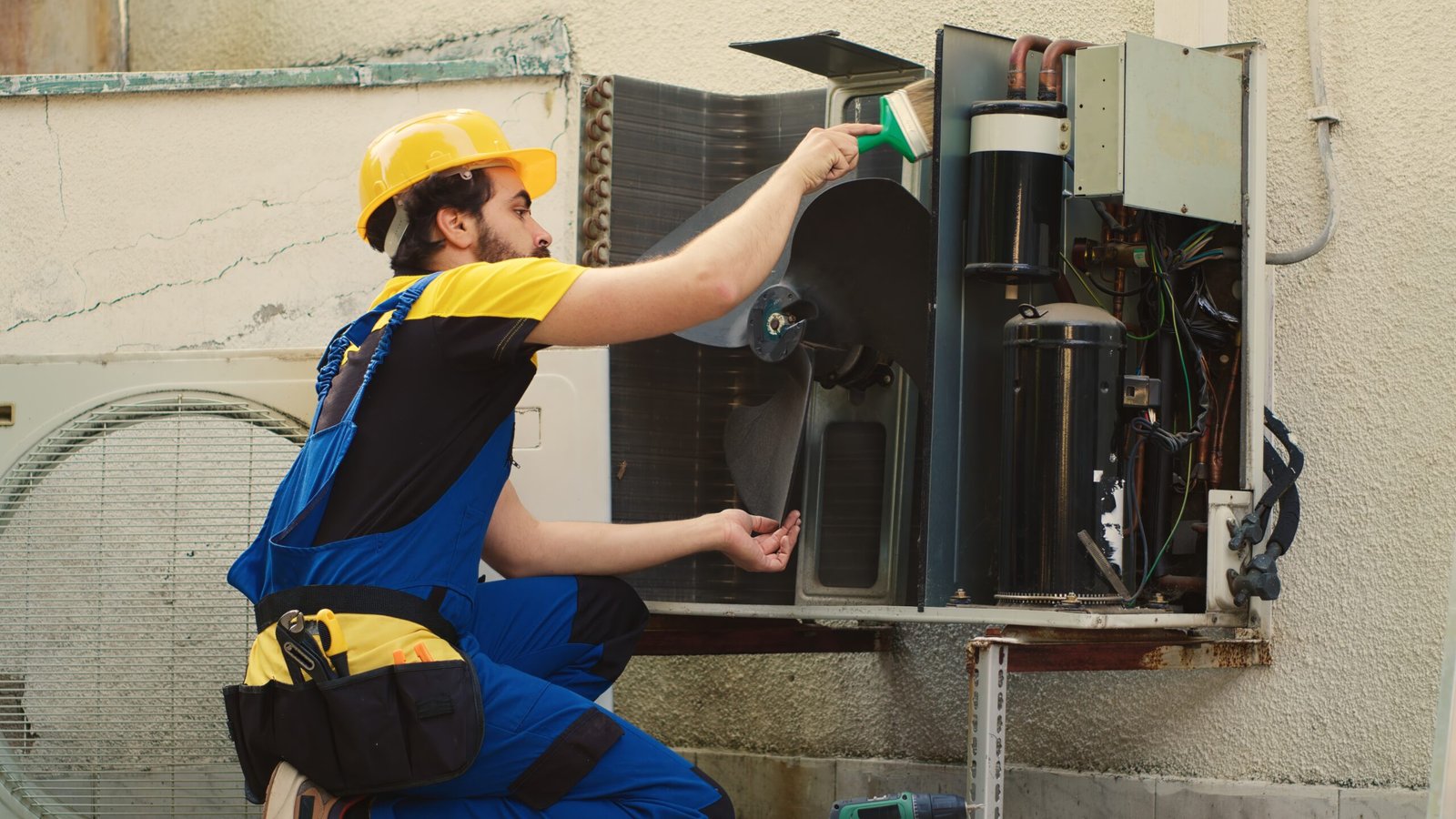
When your system stops cooling, you need immediate Air Conditioning Repair in Dallas. Delayed repairs increase indoor temperature, stress the AC system, and raise energy bills. In Texas, cooling can account for nearly 50% of summer electricity use. A malfunctioning unit quickly impacts comfort and cost.
If your AC is not blowing cold air, running constantly, or the outside AC unit is not turning on, fast diagnosis matters. ecobreezesolutions provides responsive AC repair services designed to restore cooling performance safely and efficiently.
ecobreezesolutions – HVAC Service & AC Repair Company in Dallas
ecobreezesolutions delivers professional HVAC service and AC repair company solutions in Dallas. We provide immediate help for AC not blowing cold air, weak airflow, electrical issues, and system shutdowns.
Our team offers:
- 24/7 AC Repair availability
- Emergency AC Repair Dallas
- Residential and Commercial HVAC service
- Energy efficiency-focused repairs
- System diagnostics based on measurable data
We serve Dallas and surrounding areas including Fort Worth, McKinney, Richardson, Plano, Cedar Hill, Frisco, Arlington, Cleburne, Grand Prairie, Rowlett, Rockwall, Allen, Irving, Garland, Carrollton, Forney, Mesquite, Denton, Burleson, and Southlake.
Each repair is performed with attention to airflow balance, refrigerant pressure, electrical stability, and overall HVAC system efficiency.
Who We Are – Local HVAC Technicians Focused on Air Conditioning Repair
We are local HVAC technicians specializing in air conditioning repair, system diagnostics, and cooling performance optimization. Our approach is technical, structured, and based on system behavior.
Licensed HVAC Technicians in Mechanical Engineering & Cooling Technology
Our technicians are trained in mechanical engineering fundamentals and cooling technology principles. We understand thermodynamics, heat transfer, refrigerant cycles, and electrical load behavior inside an HVAC system.
This expertise allows us to:
- Identify compressor stress
- Diagnose evaporator coil performance
- Evaluate refrigerant flow
- Inspect electrical circuits safely
Experience in Residential AC Repair Dallas & Commercial HVAC
Residential AC repair Dallas projects often involve airflow restriction, thermostat miscalibration, or low refrigerant levels. Commercial HVAC systems require load calculations, zoning control, and integration with building technology.
We work on:
- Central air conditioning systems
- Rooftop commercial units
- Heat pump systems
- Multi-zone HVAC systems
We understand how building design affects cooling demand and airflow distribution.
Root-Cause AC Diagnostic Service Approach
We focus on root-cause analysis instead of guesswork.
Our AC diagnostic service includes:
- Refrigerant pressure measurement
- Electrical inspection
- Heat transfer testing
- Air duct airflow evaluation
This structured process reduces repeat failures and protects long-term system performance.
Our AC Repair Services in Dallas
We provide complete AC repair services for homes and commercial properties. Each service includes inspection, explanation of repair options, and performance verification.
Emergency AC Repair Dallas – 24 Hour AC Repair
Cooling emergencies require immediate response. High indoor temperature can create unsafe conditions during peak summer.
We fix:
- Outside AC unit not turning on
- AC not blowing cold air
- Sudden system shutdown
- Electrical breaker trips
- Compressor failure
Same-day AC repair is available when possible.
CTA: Request Emergency Service
Residential AC Repair Dallas
Home cooling systems often show early warning signs before failure.
We repair:
- AC running constantly
- AC short cycling
- AC leaking water
- Weak airflow from vents
- Uneven room temperature
We inspect airflow, thermostat function, refrigerant balance, and electrical components.
CTA: Book Home AC Repair
Commercial AC Repair & Commercial HVAC Service
Commercial HVAC systems operate under higher demand. Failure affects operations and equipment.
We provide:
- HVAC testing
- Electrical AC repair
- Rooftop unit diagnostics
- System performance evaluation
- Preventative maintenance planning
We consider building engineering design and cooling load requirements.
CTA: Schedule Commercial Service
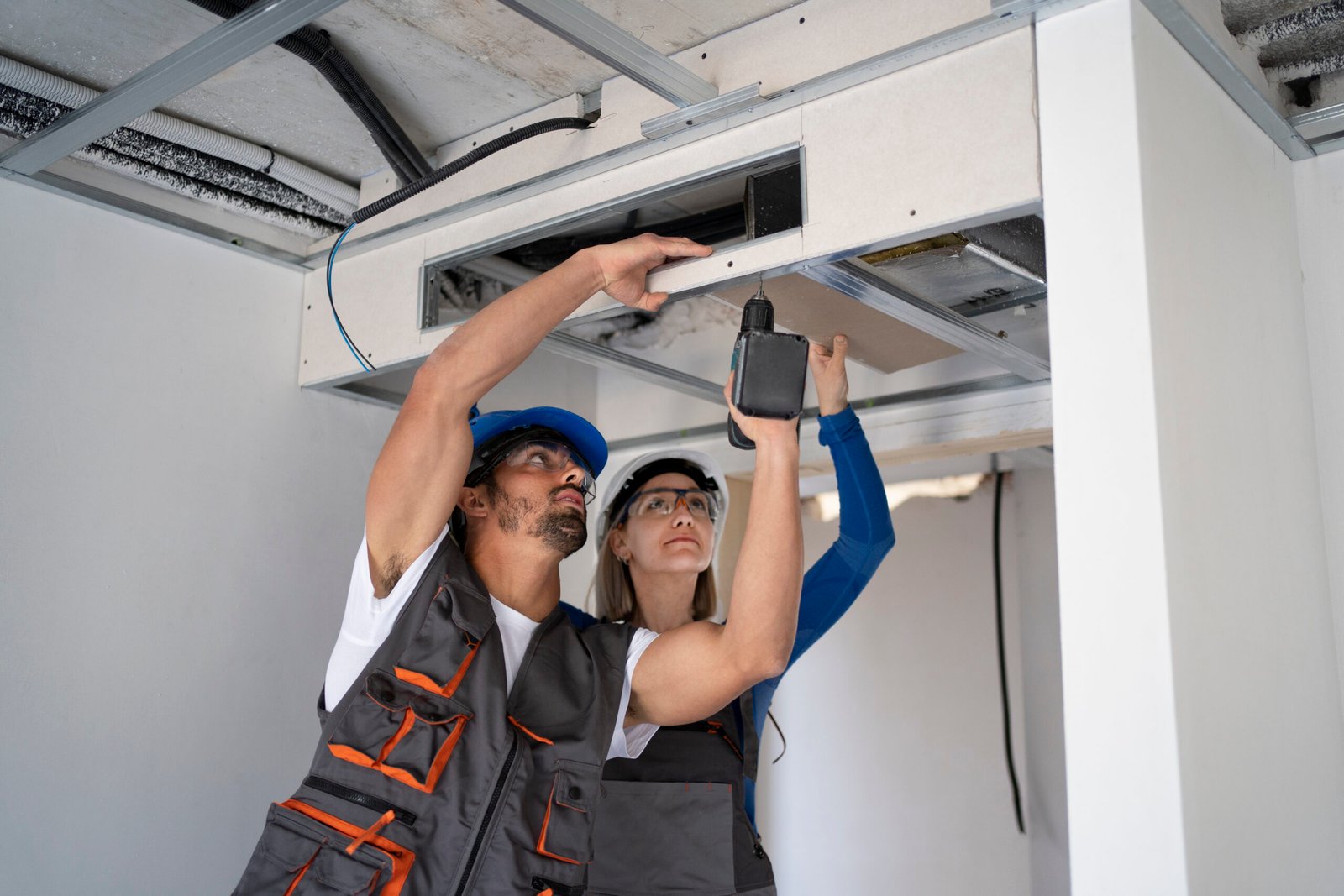
AC Diagnostic Service & AC Troubleshooting
Accurate troubleshooting prevents unnecessary component replacement.
Our service includes:
- Air conditioner inspection
- Root-cause analysis
- Thermostat evaluation
- Compressor performance testing
- Refrigerant level verification
We explain findings clearly before proceeding.
CTA: Get AC Diagnosis
Refrigerant Leak Repair & Refrigerant Recharge
Refrigerant supports heat transfer inside your AC system. Low levels reduce cooling efficiency and increase compressor strain.
We perform:
- Refrigerant leak repair
- Refrigerant recharge
- Freon recharge where applicable
- Safe refrigerant handling compliance
Proper refrigerant management improves cooling performance and protects system components.
CTA: Schedule Installation Service
Compressor Replacement & AC Compressor Repair
The compressor is central to the cooling cycle. Failure stops heat transfer.
We assess:
- Electrical load condition
- Pressure readings
- Motor integrity
- Repair versus replacement cost
We provide clear repair options.
Condenser Repair & Evaporator Coil Repair
Condenser and evaporator coils support heat exchange. Blockage or freezing reduces cooling capacity.
We fix:
- Frozen evaporator coils
- Blocked condenser unit
- Coil corrosion
- Fan motor issues
Coil cleaning and repair restore airflow and temperature control.
CTA: Book Air Duct Cleaning Service
Thermostat Repair & Smart Thermostat Installation
Thermostat failure causes inconsistent cooling and increased energy use.
We provide:
- Thermostat repair
- Smart thermostat installation
- Control wiring inspection
- Temperature calibration
Improved control supports efficient energy use.
CTA: Furnance Repair
AC Replacement & Energy-Efficient AC Systems
When repair costs exceed long-term value, replacement may be recommended.
We install:
- Energy-efficient AC systems
- High-efficiency central air units
- Heat pump systems
Modern systems improve performance and reduce electricity consumption.
CTA: Get Free AC Estimate
AC Maintenance & Preventative Maintenance
Preventative maintenance reduces breakdown risk and extends equipment lifespan.
Includes:
- AC tune-up
- Coil cleaning
- Electrical inspection
- Filter replacement
- HVAC maintenance membership
- Service plan enrollment
Routine inspections support energy conservation and consistent airflow.
Our AC Repair Process in Dallas – What to Expect
A defined process ensures quality and safety.
Step 1 – System Inspection & HVAC Testing
We inspect the full HVAC system including compressor, coils, thermostat, and electrical panel. HVAC testing identifies visible and hidden issues.
Step 2 – Diagnostic & Repair Options
We review inspection findings and explain repair options with estimated cost and performance impact.
Step 3 – Repair AC Units & Component Replacement
We replace defective components such as capacitors, contactors, motors, compressors, or coils using approved parts.
Step 4 – Performance Testing & Airflow Check
After repair, we perform:
- Heat transfer testing
- Refrigerant pressure measurement
- Electrical inspection
- Air duct airflow evaluation
This confirms stable cooling operation.
Step 5 – Final Report & Warranty Information
You receive a service summary, warranty details, and maintenance recommendations.
Dallas’s Trusted HVAC Repair Company
We focus on reliability, transparency, and measurable results.
24/7 AC Repair with Fast Dispatch
Emergency AC repair in Dallas is available day and night. Quick response reduces indoor heat buildup and equipment stress.
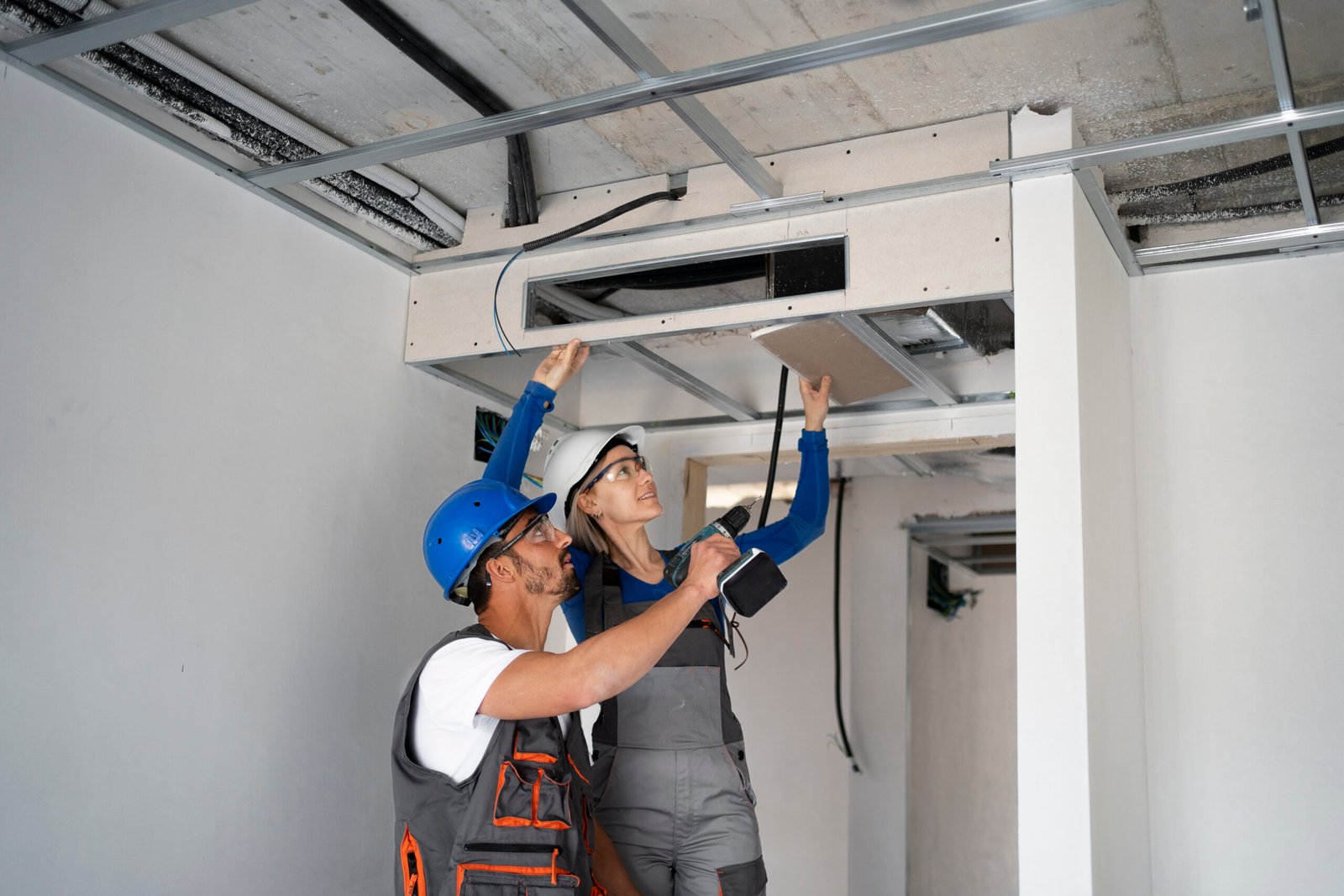
Transparent AC Unit Repair Cost Discussion
We explain AC unit repair cost clearly before work begins. No unnecessary upgrades. No hidden changes.
Focus on Energy Bills & Efficient Energy Use
An optimized AC system reduces electrical consumption and stabilizes indoor temperature. Efficient energy use lowers long-term operating cost and supports sustainable building performance.
If your AC system is not operating correctly, schedule professional AC repair in Dallas today. Immediate diagnosis protects comfort, safety, and equipment lifespan.
HVAC Certifications & Industry Standards
Professional AC repair in Dallas requires technical accuracy and regulatory compliance. HVAC systems involve electrical components, refrigerant handling, airflow design, and thermodynamic processes. Improper service can reduce efficiency and create safety risks.
We follow industry standards to protect system performance and building safety.
Licensed HVAC Technicians
All service is performed by licensed HVAC technicians. Licensing ensures knowledge of heating, ventilation, and air conditioning codes, electrical systems, and safe installation practices.
Our technicians understand:
- HVAC system design
- Cooling load requirements
- Electrical equipment safety
- Building technology integration
This ensures repairs align with Texas regulations and manufacturer specifications.
EPA Refrigerant Handling Compliance
Refrigerant management directly affects cooling efficiency and environmental safety. We follow Environmental Protection Agency (EPA) guidelines for refrigerant handling, recovery, and recharge.
Proper refrigerant handling prevents:
- System pressure imbalance
- Compressor damage
- Environmental harm
- Reduced heat transfer efficiency
Compliance protects both equipment and property.
Ongoing Mechanical & Electrical Engineering Training
HVAC technology evolves. Systems now include smart thermostats, advanced compressors, and building automation features.
Our technicians receive ongoing training in:
- Mechanical engineering principles
- Electrical engineering diagnostics
- Thermodynamics and heat transfer
- Energy-efficient AC systems
Continuous education improves repair precision and system reliability.
Why Choose ecobreezesolutions for AC Repair in Dallas
Choosing the right AC repair company affects long-term system performance. We focus on measurable results, transparent communication, and responsible service practices.
Free AC Estimate
We provide a free AC estimate for system replacement evaluations. You receive a clear assessment of system condition, repair cost comparison, and efficiency considerations.
This supports informed decisions.
AC Financing Options
AC system replacement can be a significant investment. Flexible AC financing options help manage upfront costs while improving energy efficiency.
Financing is structured to support long-term savings through reduced energy bills.
Warranty Protection
Warranty protection is provided on eligible repairs and replacement components. This adds security to your investment and protects against early part failure.
We explain coverage details before work begins.
24/7 Emergency AC Service
Emergency AC repair in Dallas is available day and night. Fast dispatch reduces indoor temperature rise and limits system damage.
Rapid response is especially critical during extreme summer heat.
Service Plan for Long-Term Maintenance
Our service plan supports preventative maintenance and reduces unexpected breakdowns.
HVAC maintenance membership includes:
- Seasonal inspections
- AC tune-up services
- Electrical inspection
- Airflow testing
Routine maintenance can improve system efficiency by up to 15%, according to energy research studies.
Indoor Air Quality Services Integration
Cooling performance is connected to indoor air quality. We integrate Indoor Air Quality Services such as:
- Air purifiers
- Humidity control solutions
- UV light installation
- Duct cleaning
Balanced humidity and clean airflow improve comfort and system lifespan.
Top Rated AC Repair in Dallas – Customer Testimonials
Consistent performance builds trust. Customer feedback reflects service accuracy and reliability.
Residential AC Repair Feedback
Homeowners report improved airflow, reduced noise, and stable temperature after AC repair services. Many notice lower monthly energy bills after airflow corrections and refrigerant balancing.
Commercial HVAC Repair Reviews
Business clients highlight reduced downtime and stable indoor temperature control. Commercial HVAC repairs are performed with attention to equipment safety and operational continuity.
Same-Day AC Repair Experiences
Emergency service calls often involve AC not blowing cold air or compressor shutdown. Same-day AC repair restores cooling quickly while maintaining safety standards.
Insured & Certified HVAC Repair Company
HVAC repair involves electrical systems, refrigerants, and mechanical components. Insurance and certification protect both the client and technician.
Liability Coverage
Liability coverage protects property during installation, repair, and component replacement.
This reduces risk during complex HVAC service procedures.
Worker Protection
Worker protection policies ensure technicians follow safety procedures when handling electrical systems, refrigerants, and rooftop equipment.
Safe practices reduce accident risk.
Safety Standards
All repairs follow mechanical and electrical safety codes. This includes proper circuit breaker handling, fuse inspection, and refrigerant containment.
Safety compliance supports reliable system operation.
AC Repair Projects Gallery – Before & After
Real project examples demonstrate technical capability and repair outcomes.
Compressor Replacement Projects
Compressor replacement projects often involve systems with overheating, pressure imbalance, or electrical failure.
After replacement, performance testing confirms stable refrigerant pressure and effective heat transfer.
Duct Replacement & Air Duct Repairs
Duct replacement improves airflow balance and reduces energy waste. Sealed air ducts support efficient cooling and consistent temperature distribution.
Airflow optimization often reduces system strain.
AC System Replacement Installations
Older systems with repeated breakdowns may require AC system replacement. New energy-efficient AC systems improve cooling performance and reduce long-term electricity consumption.
Installation includes load calculation and airflow design review.
AC Repair in Dallas and Surrounding Areas
We focus primarily on AC repair in Dallas. Fast response time within the city is prioritized to reduce downtime during extreme temperatures.
Our service area map highlights coverage zones and dispatch routes. This helps customers confirm eligibility and response range.
Local Response Coverage
Local technicians are assigned based on proximity and availability. This improves arrival time and service efficiency.
Area-Specific AC Issues in Dallas & Solutions
Dallas climate and building design create specific cooling challenges. High heat, humidity, and dust affect HVAC system performance.
High Humidity & Refrigerant Pressure Problems
Humidity impacts refrigerant pressure and coil performance. Excess moisture increases system workload and reduces heat transfer efficiency.
We evaluate:
- Refrigerant pressure
- Coil condition
- Airflow rate
- Drain line function
Balanced humidity improves cooling and protects equipment.
Extreme Summer Temperature Impact on AC Systems
Extended high temperatures increase compressor workload. This leads to overheating and electrical stress.
We assess cooling load, airflow distribution, and building insulation performance. Building engineering considerations are important for sustainable building efficiency.
Dust & Air Filter Blockage
Dust accumulation restricts airflow and causes frozen evaporator coils. Dirty filters reduce indoor air quality and strain the blower motor.
Routine maintenance supports energy conservation and efficient airflow.
Electrical Grid Stress & Circuit Breaker Issues
High summer demand can stress electrical systems. Circuit breaker trips and voltage fluctuation affect HVAC system stability.
We inspect wiring, capacitors, and electrical connections to maintain safe operation.
Contact Us for AC Repair in Dallas – Get a Personalized Quote
Immediate action reduces repair cost and prevents further damage.
Request Service Form
Submit system details online for fast scheduling. Include symptoms such as AC running constantly or not blowing cold air.
24 Hour AC Repair Hotline
Our 24-hour AC repair hotline connects you with a dispatcher for urgent service needs.
Emergency AC repair Dallas is available for critical breakdowns.
Free AC Estimate Scheduling
Schedule a free AC estimate if you are considering AC replacement or energy-efficient system upgrades.
How Air Conditioning Systems Work in Dallas Homes
Understanding system operation helps identify early warning signs.
Heat Transfer & Thermodynamics in AC Systems
Air conditioning works by removing indoor heat and transferring it outside. Refrigerant absorbs heat in the evaporator coil and releases it through the condenser.
Thermodynamics principles govern this cycle. Pressure changes allow refrigerant to move heat efficiently.
Role of Refrigerant in Cooling Technology
Refrigerant is central to cooling technology. Low refrigerant reduces cooling capacity and increases compressor stress.
Proper refrigerant charge ensures stable temperature control and energy efficiency.
Importance of Airflow & Duct (Flow) Design
Airflow distributes cooled air throughout the building. Poor duct design restricts flow and creates uneven temperature.
Air duct airflow evaluation ensures balanced cooling and efficient energy use.
Common Reasons You Need AC Repair in Dallas
System symptoms often appear before complete failure.
AC Not Blowing Cold Air
Possible causes include refrigerant leak, compressor failure, or thermostat malfunction.
Immediate inspection prevents further damage.
AC Running Constantly
Continuous operation may indicate airflow restriction or incorrect temperature calibration.
This increases energy bills and component wear.
Frozen Evaporator Coils
Frozen evaporator coils are often caused by restricted airflow or low refrigerant.
Coil freezing blocks heat transfer.
Refrigerant Leak Repair Needs
Refrigerant leaks reduce system pressure and cooling performance.
Professional leak detection and repair restore efficiency.
Repair or Replace? AC System Decision Guide
Repair decisions should consider system age and operating cost.
HVAC System Replacement Indicators
Frequent breakdowns, rising repair cost, and reduced efficiency may signal replacement need.
Older systems often consume more electricity.
Energy-Efficient AC Systems Comparison
Modern systems use improved compressor technology and better airflow design.
Energy-efficient AC systems reduce electricity consumption and improve cooling stability.
Long-Term Energy Bills Analysis
Lower energy use leads to long-term savings. Comparing repair cost versus projected energy savings supports informed decisions.
Indoor Air Quality Services & AC Performance
Cooling systems affect indoor air quality.
Air Purifiers & Humidity Control
Air purifiers reduce airborne particles. Humidity control protects building materials and improves comfort.
UV Lights & Air Pollution Control
UV lights reduce microbial growth inside the HVAC system.
This protects coil cleanliness and airflow performance.
Duct Cleaning & Ventilation Services
Duct cleaning removes debris that restricts airflow. Ventilation services improve air exchange and reduce indoor air pollution.
Commercial AC Repair & Building Automation
Commercial HVAC systems require structured analysis.
HVAC System Load Calculations
Load calculations determine required cooling capacity based on building size and usage.
Accurate calculations prevent undersized or oversized systems.
Building Automation & Temperature Control
Building automation systems regulate temperature across zones. Proper calibration improves efficiency and reduces energy waste.
Preventative Maintenance for Equipment
Scheduled inspections protect commercial equipment from unexpected failure.
Preventative maintenance supports operational continuity and energy conservation.
AC Repair FAQs – Expert Answers
How fast can you provide Emergency AC Repair Dallas?
Emergency service is available 24/7. Response time depends on location and demand, but urgent cases are prioritized.
What causes AC not blowing cold air?
Common causes include refrigerant leak, compressor failure, thermostat issues, or airflow restriction.
What is the average AC unit repair cost?
AC unit repair cost varies depending on component failure, system type, and labor required. A diagnostic inspection provides accurate pricing.
Do you offer 24 Hour AC Repair Dallas?
Yes. 24-hour AC repair Dallas is available for emergency situations.
Should I repair or replace my AC System?
If repair cost approaches replacement value or system age exceeds expected lifespan, replacement may be recommended.
Do you service commercial HVAC systems?
Yes. We provide commercial HVAC service including diagnostics, electrical repair, and preventative maintenance.
What refrigerant does my AC use?
Refrigerant type depends on system age and model. We verify and handle refrigerant according to EPA compliance standards.
Do you provide warranty on AC repair services?
Warranty coverage is provided on eligible parts and services. Details are explained before repair begins.