
When it comes to maintaining your home as a comfort zone during the hot summer months, selecting the right air conditioning system can feel like a weighty decision.
With so many options available, making the mini split vs central air comparison can be a tough choice. On one hand, the central air conditioner has been a long-standing choice for entire home cooling, often considered the gold standard.
On the other hand, ductless mini split systems offer flexibility, especially when adding air conditioning to a converted space, room addition, or older home that lacks ductwork.
central air vs mini split
The main difference between these systems lies in the installation, setup, and delivery of cooled air. Ducted central air conditioners rely on a network of ductwork that connects to vents throughout the house, ensuring cool air reaches multiple rooms.
The main difference between these systems lies in the installation, setup, and delivery of cooled air. Ducted central air conditioners rely on a network of ductwork that connects to vents throughout the house, ensuring cool air reaches multiple rooms.
The main difference between these systems lies in the installation, setup, and delivery of cooled air. Ducted central air conditioners rely on a network of ductwork that connects to vents throughout the house, ensuring cool air reaches multiple rooms.
Ductless Mini Splits
When comparing central air conditioning systems and ductless mini splits, it’s clear that each has its own set of advantages. If you’re considering ductless air conditioner options, mini split systems are worth a look. These systems don’t require ducts like central air systems do, making them ideal for older homes or when adding ducts isn’t practical. They have both an outdoor unit and an indoor unit connected by copper tubing through which refrigerant circulates. The system works by absorbing heat and humidity from the inside air and then releasing cooled air back into your living space.
The flexibility of mini split systems is impressive. They can be wall mounted, under ceiling, in ceiling, or even floor mounted, giving you the freedom to design your living space as you wish. Whether you’re cooling a separate room or your entire home, these systems offer targeted comfort. Carrier also offers heat pumps that provide year-round heating and cooling by reversing the heat pump process. So, whether your comfort needs lean more towards heating or cooling, ductless mini splits can meet them efficiently.
Advantages of a Ductless Mini Split
Ductless mini split systems offer a number of advantages over traditional ducted systems in certain situations.
Here’s a closer look:
Efficiency
Mini split systems offer significantly greater efficiencies than central air units. Using inverter technology and variable-speed compressors, these ductless systems adjust speed instead of just switching on and off. This innovation has roots going back decades — see when mini splits were first invented and how the technology evolved.This results in better SEER ratings, saving energy in the HVAC industry.
Ductless
Switching to a ductless system is a great alternative for slab homes or places that lack the room for traditional ductwork. It avoids the hassle of major construction and only requires a small hole for piping and wiring between the indoor and outdoor units. Many homeowners take this further by running mini split refrigerant lines inside walls for a completely clean look.This saves time and money on installation, modifications, and ongoing maintenance.
Flexibility
Mini-splits offer unmatched flexibility when used in conjunction with central air systems. Perfect for rooms like garages, finished basements, or an attic guest area that rarely have ductwork, these compact units fit easily into limited spaces.
With ductless systems, you get precise control for specific needs, whether indoor or outdoor. Their long refrigerant line capability allows for convenient installation wherever needed, making your home more usable and comfortable in every zone.
Built-In Zoning
A ductless mini split system offers a great way to control heating and cooling in specific rooms of your home. Unlike central AC, which struggles with precise temperature control, mini splits allow you to manage individual living spaces like garages, patios, sunrooms, or attics.
With multiple indoor units, you can target nuisance rooms or a small portion of your home without affecting the entire home. And if your home already has ductwork, using a mini split with existing ductwork is also a viable path. This makes it an ideal solution for enhancing comfort where it’s needed most.
Disadvantages of a Ductless Mini Split
While ductless mini-split systems offer many benefits, they’re not the ideal solution for every home. Central air conditioning, for instance, has the advantage of being less obtrusive inside the home, as it uses a single indoor unit usually located in a basement, utility closet, or garage.
Initial Price
Installing a ductless mini split system to cool your entire home can be more expensive compared to a central AC, especially if you’re working with existing ductwork. Though ductless systems are potentially more efficient with utility costs generally less than central air, the downside is the initial price.
Mini-splits, often seen as a smaller option, can actually be costlier in a one-to-one comparison with the area they heat or cool. For smaller spaces, a window unit might make more sense — check out our window AC vs mini split comparison. This is particularly true if you need to install new ductwork, where the initial cost may be similar or even exceed that of an air conditioner or furnace.
Filtration
Ductless mini split systems are less effective at air filtering than a central air conditioner. While a central air conditioner circulates air from the entire home through a filter, providing better control of indoor air quality, mini split systems aren’t as powerful.
Though carbon inserts can be added to take care of allergens, dust, and odors, they need to be periodically replaced. Purifiers fitted into these units help, but their effectiveness is limited by the zoning inherent in the system.
Aesthetics
Mini-splits in ductless systems can sometimes disrupt the look of your home. The line that runs from the indoor to the outdoor unit often appears along the side or around corners, carrying condensate drainage and electrical connectors. This line is often visible even from far away. Inside, the units are available as wall mounted, ceiling mounted, floor mounted, or in-ceiling, and can be easily seen in the room.

Maintenance
For any HVAC equipment, regular maintenance is essential. Keeping filters cleaned regularly ensures the system works properly and maintains efficiency. Especially in ductless systems, which often run year-round, a cleaning schedule during summer and winter months is a best practice. Neglecting this can lead to reduced performance and harming internal equipment, resulting in higher utility bills.
Central Air and Heat Units
When choosing between central air and mini splits, understanding each system is key. Central air systems use a ducted HVAC setup with an outdoor unit and an indoor unit located in a basement, garage, or utility closet. A blower fan pushes cooled air through ducts in the walls, floor, or ceilings.
However, older homes that predate duct systems often lack these features. Mini splits, meanwhile, don’t need ducts and use circulating refrigerant between an indoor unit and an exterior condensing unit to absorb heat and humidity from indoor air and release it outside.
Advantages of Central Air
Most modern homes come equipped with ducted forced air HVAC systems to provide cool air throughout the house. This setup naturally favors central air over ductless systems. Here’s why these systems are so widely preferred:
Lower Initial Cost
If you’re looking at the initial cost for cooling, a central AC system might be less expensive for homes that already have existing ductwork. In these cases, the new system installation requires fewer modifications, making it easier to set up. While ductless systems like mini splits offer higher-efficiency air conditioners, heat pumps, and furnaces, you’ll often find yourself spending more on installing multiple indoor units to cool an entire home.
The cost can range from $3,000-$15,000 or more, depending on the equipment and the SEER or HSPF rating you choose, potentially leading to a higher cost in the long run. From my experience, deciding between these options comes down to whether you prioritize efficiency or initial affordability.
Integration with Air Quality Products
When it comes to improving the air quality in your home, both central air systems and mini-splits offer various options. However, ducted central air systems provide more robust filtration capabilities, making them more effective at filtering out harmful particles.
These systems often feature a centrally located air handler that ensures air circulates through a comprehensive filtering system. This setup allows for the integration of numerous air quality products, such as humidifiers, dehumidifiers, and purifiers, which can easily connect to your ductwork.
These add-ons not only reduce the workload on your air conditioning but also contribute to overall efficiency by maintaining optimal humidity levels. The net benefit of using one or more of these products can be profound, enhancing your home’s air quality significantly.
Size and Range
When it comes to central air versus mini split systems, the difference in size and range is quite stark. Central air is better equipped for cooling large homes and can control the temperature of the entire home through a single thermostat with consistent heating and cooling throughout via a ducted setup.
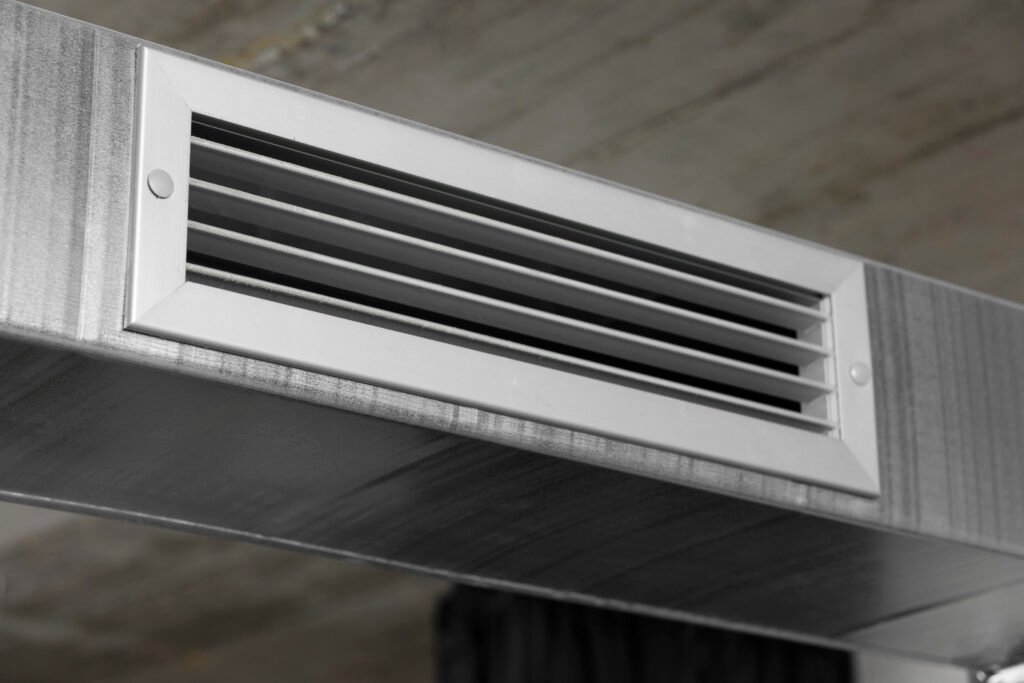
In contrast, mini split systems are ductless and ideal for more than one or two rooms, using up to five heads for targeted residential service. For reaching multiple areas, each option offers unique benefits based on home size and needs.
Less Intrusive Installation
If you’re considering a new AC system for your home, you might be weighing the pros and cons of a central AC system versus a ductless system. From my experience, one of the biggest advantages of a central AC system is that if your home already has ductwork, you won’t need to install new ductwork. This saves not only time and money but also spares you from the inconvenience of extensive renovations. Professionals can typically install the unit quickly, and you only need one indoor unit for the entire home instead of placing a unit in every room like you would with a ductless system. This means fewer installations and a more streamlined setup, which can make a big difference in both cost and effort.
Disadvantages of Central Air
Central air also comes with some disadvantages:
Utility Bills
Choosing between central air and a mini-split can affect your utility bills. Ductless systems with zone control allow you to heat or cool specific parts of your home, saving energy and reducing bills. A new central AC system can still be efficient, achieving up to 26 SEER, but a mini-split often has higher efficiency, reaching up to 42 SEER. In a one-to-one comparison, while an older central system may not win, a newer model might still offer strong performance.
Duct Maintenance
In comparing central air vs. mini split systems, the upkeep of a ducted setup is vital. For an older home with existing ducts, the expense of modifying or repairing ductwork can affect your budget. Regular maintenance and yearly cleaning are necessary to maintain health and efficiency, avoiding additional costs. A proper maintenance plan ensures ductwork is maintained and cared for, preserving the comfort of your space. Hiring a skilled HVAC contractor for installation and handling modifications can be a comprehensive solution for managing your system’s features.
Temperature and Zone Control
Choosing between central air and a mini split system depends on your needs for temperature control and zone flexibility. Traditional A/C units and furnaces only offer on or off settings, while two-speed systems and variable-speed systems provide more options but can affect your budget. A mini split gives you granular control over each room in your home, making it ideal for a family with different temperature preferences. However, central air may suit a homeowner who wants uniform efficiency across the home without managing multiple zones.
Which Is Right For Me?
Choosing between central air and a mini-split system depends on several factors, like your budget, comfort preferences, and specific needs of your home. As a homeowner, if your main goal is to keep an entire area cool or heated evenly, and you already have existing ductwork, a central air system might be the best solution. On the other hand, if you have a particular room that lacks proper ventilation or is difficult to heat and cool, a mini-split can be more efficient by servicing just that specific spot. Ultimately, finding the right balance for your comfort and budget will help determine which option is best for your home.
EcoBreezeSolutions brings you a team of experienced HVAC professionals dedicated to meeting all your heating, ventilation, and air conditioning needs. We focus on delivering reliable service and expert support to maintain a comfortable and healthy home environment throughout the year.
FAQs
Which is more efficient, mini-split or central air?
Mini-split systems use electricity more efficiently than traditional central air systems. In a central system, cooling power can be lost as air travels through ductwork due to leaking ducts, requiring more power. Mini-split systems avoid this by directly delivering heat and cooling without ductwork, making them more efficient.
Which is better, split AC or central AC?
For a big hall, a central AC is better as it cools the entire space without needing multiple units. But if you have a few rooms, a split AC system allows each space to be cooled individually, making it more efficient.
Can you use a mini-split with central air?
Yes, you can use a mini-split with central air. Both systems can be installed together without interfering. Whether the mini-split is in a room with central AC vents or not, it will fit seamlessly.