
The invention of mini splits dates back to between 1954 and 1968 when Japanese enterprises like Mitsubishi Electric and Toshiba first pioneered this innovative technology. These companies created the ductless air conditioning system as an upgrade from the window unit, focusing on providing an alternative to traditional whole-system setups.
This approach was ideal for houses and buildings where installing a full system was either impractical due to space or monetary limitations. The key objective was to offer cooling in a more pleasant way, making it a preferred choice by the 1970s.
The ductless air conditioning system gained popularity for its enhanced performance and higher efficiency. It could regulate separate zones, and its small, compact, wall-mounted indoor unit could be placed remotely from its condensing outdoor unit, moving the sound-bearing components away from the living area.
This was a significant benefit in space-restricted Japanese building practices, as it freed up window space while being energy-efficient. Over time, manufacturers saw new opportunities and introduced additional indoor units like floor consoles and ceiling-suspended options. This adaptability led to the creation of concealed ducted-style and ceiling cassette units, which expanded the application of mini splits in various HVAC systems worldwide.
Mini Split Journey in the World
The Japanese always adored the idea of making life more comfortable, and the concept of AC’s was no different. Their manufacturing engineers got to work to improve air conditioning. By 1959, Mitsubishi had succeeded in reinventing air conditioning. They introduced the first Ductless Mini Split Heating and Cooling System, which marked a significant innovation.
This new split technology enabled each room to have its own temperature zone, making homes and offices more comfortable. It also eliminated the need for bulky duct systems, making these units not only quieter but also more energy efficient.
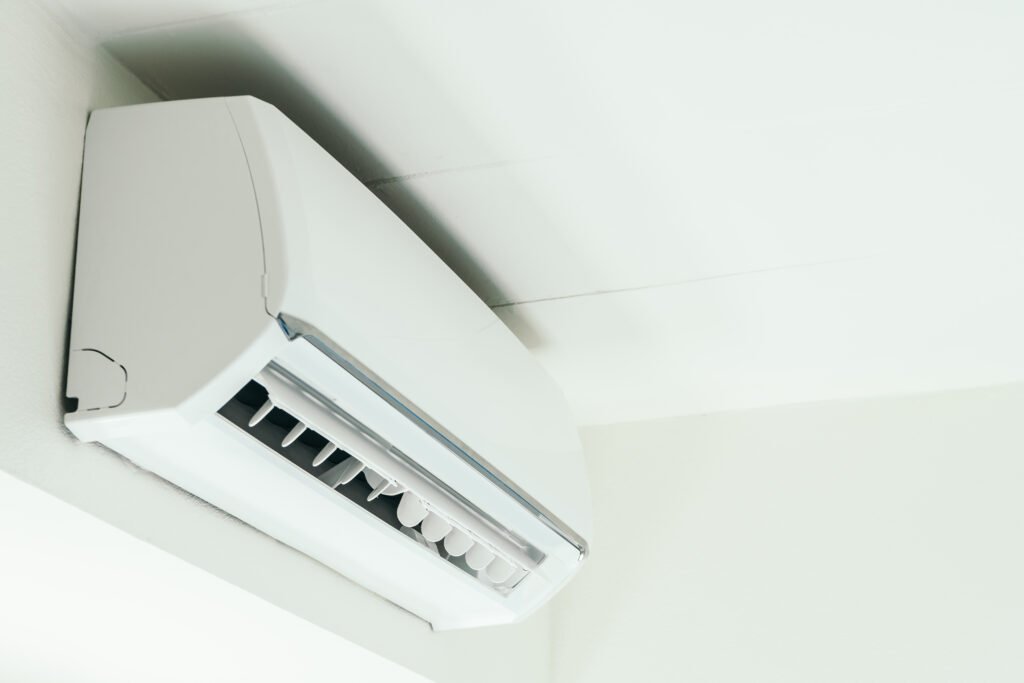
Over time, the popularity of these unique systems began to spread across Europe and eventually to other parts of the world. However, in the United States, distributors initially said no to these innovations. It took decades for marketers to become savvier and start directly educating U.S. consumers about the benefits.
Once they did, the response was dramatic. Now, every year, hundreds of thousands of these mini splits are sold across the U.S., Curious how they stack up against older solutions? See our mini split vs window AC units comparison. showing how a good idea can finally find its place, even if it takes some time.
Constant Evolution of Ductless Air Conditioning Technology
Mini split systems have undergone significant advancements since their inception, continuously evolving to meet modern demands for comfort and efficiency. Early mini splits were revolutionary because they offered personalized heating and cooling without the need for extensive ductwork. Today, many homeowners still debate mini split vs central air conditioning — a choice shaped by decades of innovation.
Over time, compressor technology shifted towards variable-frequency drive (VFD) inverters, which dramatically improved the operating performance of heat pumps. This technology allows for precise control of comfort levels, adjusting the compressors to provide just the right amount of heating or cooling, leading to better equipment reliability and an extended lifespan.
Another major improvement has been in the types of fan motors used. Originally direct-drive, these have now transitioned to direct-current (DC) motors, reducing indoor noise levels and lowering power consumption. Similarly, the condensing fan motors have been upgraded from direct-drive to VFD inverters, enhancing performance across a broader ambient operation range.
The heat exchanger has also seen advancements, featuring high-performance coil designs that maximize heat exchange within a minimal surface area, boosting overall system capacity. Even with a packed unit, these improvements ensure greater efficiency. Modern installs have also gotten cleaner — running mini split lines inside walls is now a common practice for a seamless look. Additionally, self-diagnostic features help both the installing contractor and owner quickly address system errors and restore the equipment to an operational state with minimal downtime.
Heat Pump Technologies Are Evolving
Since their invention by Daikin in 1973, ductless heat pump systems have revolutionized the way we approach indoor comfort. These systems are known for their reliability and minimal maintenance, requiring only basic filter and condenser coil cleaning. I remember installing a small system in my home a few years ago, and it was surprisingly easy.
These installations rarely experience issues, making them a user-friendly choice for many homeowners. Initially a Japanese invention, these air conditioners have gradually spread across the world, adapting to the demands of various regions. One major adaptation: the ability to connect mini split systems with existing ductwork, making upgrades far more accessible.
With design changes tailored to local climates and sales needs, they’ve become the standard HVAC choice in many countries.
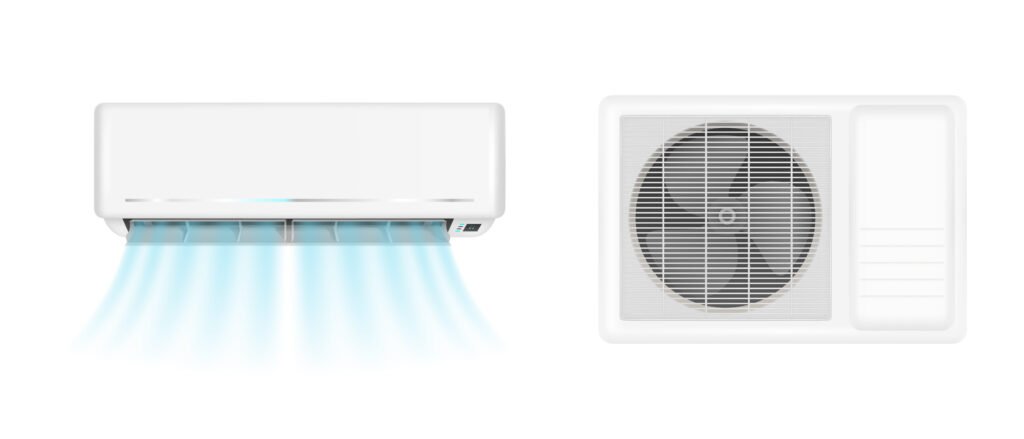
Over the years, the technology behind ductless systems has seen significant advancements. Today’s models offer improved efficiency levels, often exceeding government-mandated minimum requirements. They come equipped with longer pipe lengths, improved height separation, and can handle a broader operation temperature range in both cooling and heating modes.
Some newer systems even feature sophisticated variable refrigerant volume (VRV) solutions, capable of serving up to five zones in a whole house. This multi-zone system design makes them ideal for residential applications that require versatile and energy-efficient solutions. Additionally, features like mobile controls have made it even easier to manage your home’s temperature, adding to the user-friendly experience.
Best uses for ductless mini splits
- Older homes without space for duct systems
- New additions
- Underutilized rooms
- Garages, basements and attics
Conclusion
Mini split systems have revolutionized HVAC technology, offering energy-efficient, quiet, and flexible solutions for spaces where traditional ductwork is impractical. Developed by Japanese companies like Mitsubishi Electric and Toshiba, these systems gained global popularity in the 1970s due to their zoned temperature control and ease of installation.
Over time, mini splits evolved from basic cooling units to advanced heating and cooling systems, thanks to innovations like variable-frequency inverters and efficient fan motors. Today, they are widely used in various settings, including older homes, new additions, and underutilized spaces, for their adaptability and efficiency. As technology advances, mini splits will continue to enhance indoor comfort worldwide.
FAQs
When Did Mini Splits Come on the Market?
In 1959, Mitsubishi changed the way we think about air conditioning by reinventing it. They introduced the Ductless Mini Split Heating and Cooling System, which was a game-changer in the world of home comfort. This innovative system allowed for more flexible and efficient climate control, paving the way for modern air conditioning solutions that many of us rely on today.
Do Mini Splits Use a Lot of Electricity?
Mini split systems are very efficient and don’t lose cool air through ductwork like other air conditioning systems. They typically use around 600 watts of power per hour, but energy consumption can vary depending on how much the system is being pushed.
Are there any mini splits made in the USA?
HVAC Ductless Mini-Split Systems | Made in America